Neck Pain Relief in Oceanside, CA
Neck pain in Oceanside can show up as stiffness when you wake up, a dull ache that builds through the workday, or a sharp catch when you turn to check a blind spot. If turning your head, looking down at a phone, or sitting at a desk all day leaves your neck locked up or throbbing, you don't have to accept it as normal. At Atlas in Balance, Dr. Caitlin Walker looks at the top of your spine, where the head balances on the neck, since imbalance there often drives tension throughout the whole cervical spine.

Look upstream
Persistent neck stiffness and tension often start higher up the spine than most people expect, so that's where we look first.
What's really happening
Why your neck feels stuck or achy
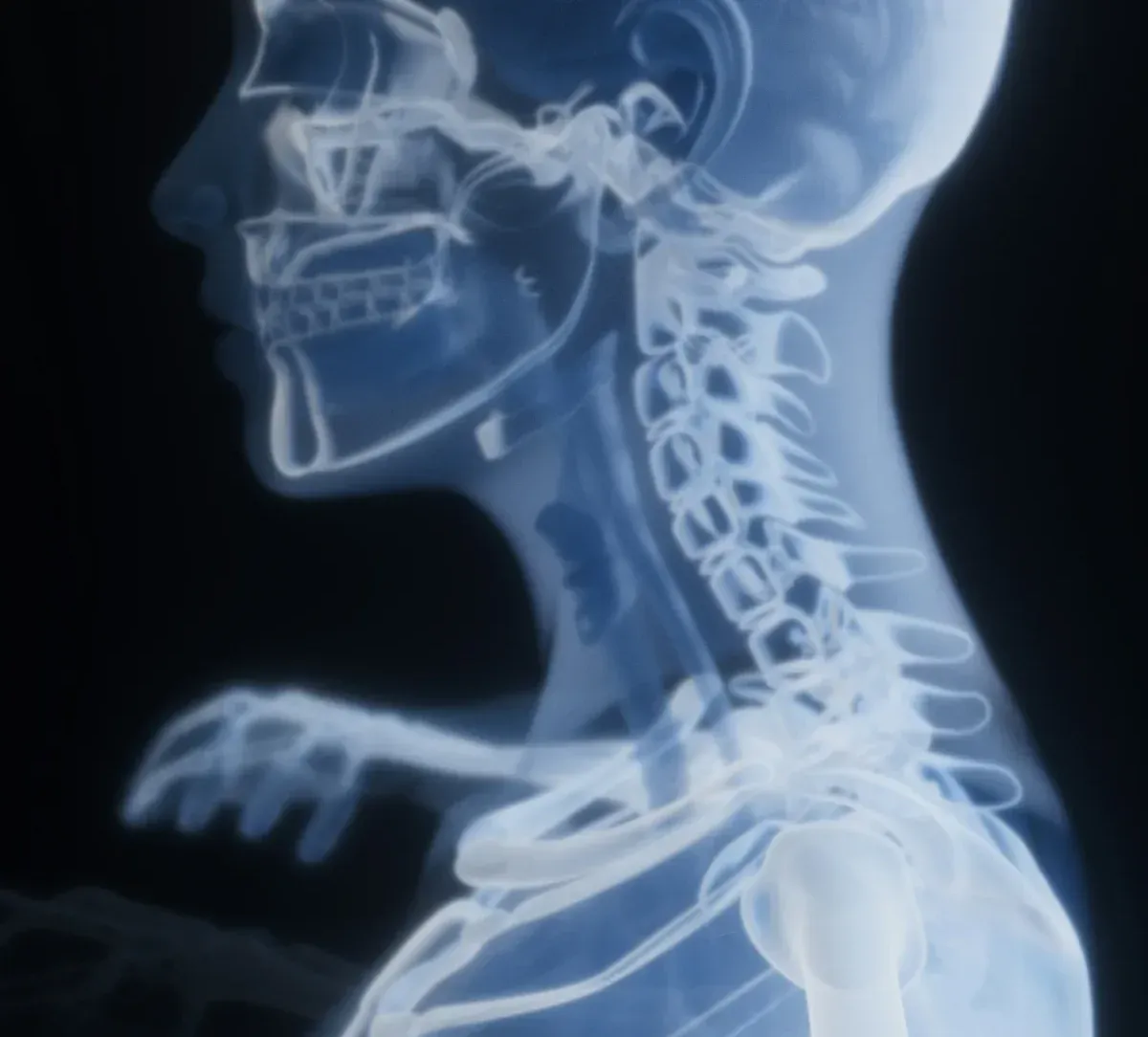
Neck pain is often a sign that the joints and muscles around your cervical spine are working overtime to compensate for imbalance elsewhere in the neck. When the top two vertebrae, where your skull meets your spine, sit even slightly off, the muscles around them tighten to protect the area, and that tension is what you feel as stiffness or a dull, nagging ache.
The Blair difference
A precise correction, not a quick twist
Instead of the rapid twisting motion associated with traditional neck adjustments, Blair upper cervical care uses CBCT imaging to map your exact anatomy first. The correction that follows is light and specific, aimed at restoring balance at the top of the spine so the surrounding muscles can finally release their guard.
Your neck pain exam
What we check when your neck hurts
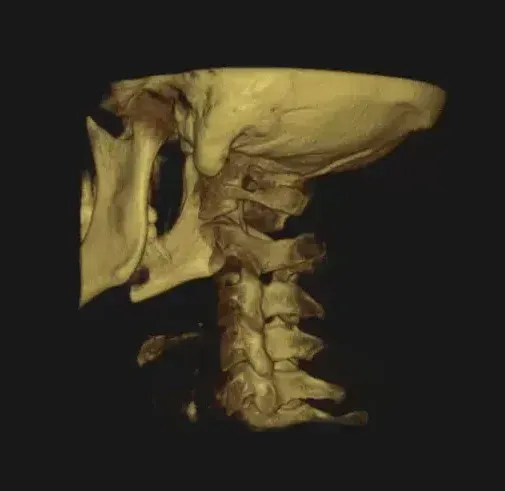
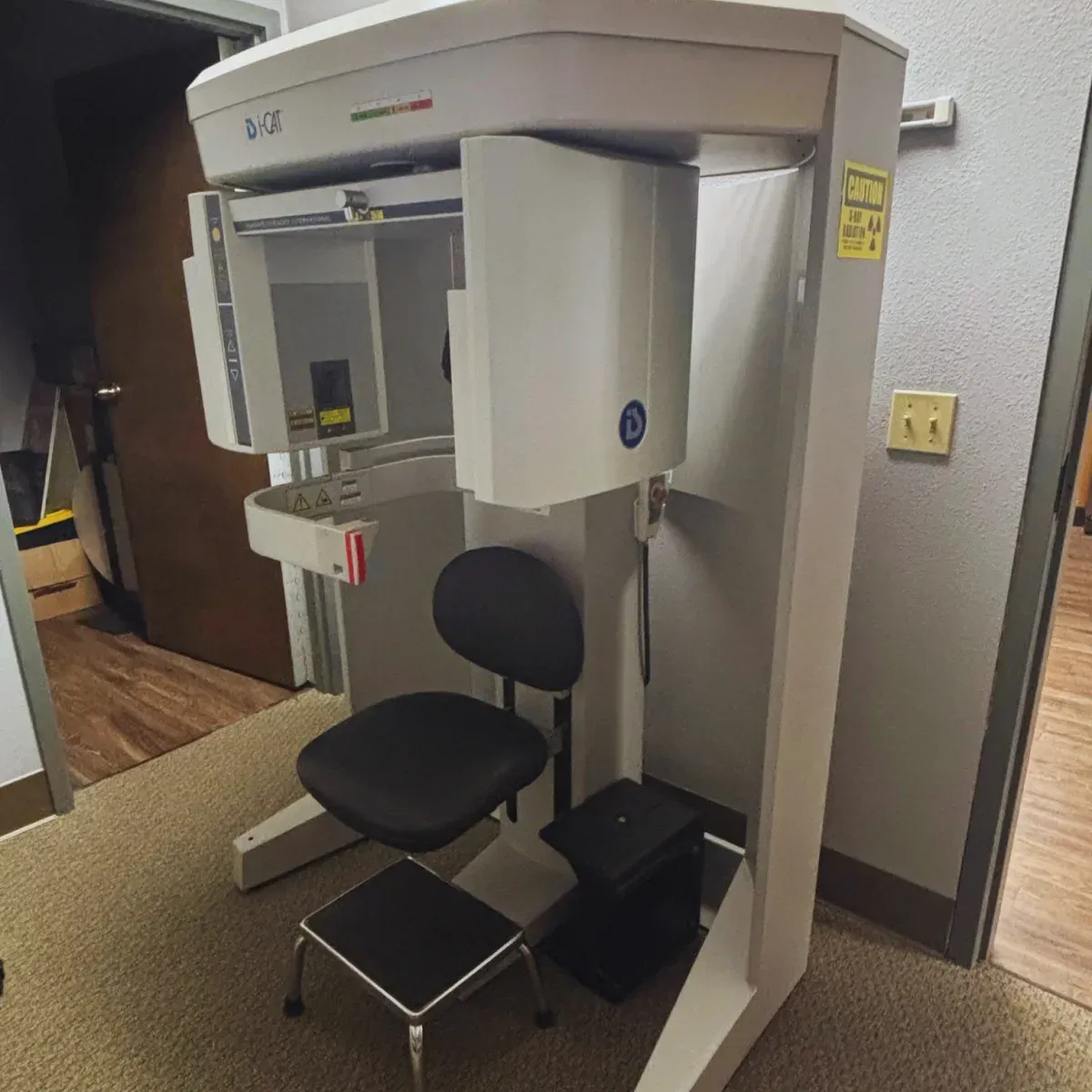
Neck pain relief starts with finding out why your neck hurts, not guessing. At your first visit in Oceanside, Dr. Walker works through a neck-specific exam so the plan that follows fits what is actually going on. If the findings point to the upper cervical spine, CBCT imaging shows the exact position of the top two vertebrae before any correction is made. If they don't, we'll tell you that too, and point you toward the right kind of help for your neck pain.
- How far you can turn, tilt, and bend your neck, and which movements bring on the neck pain
- Posture and head position, including the forward-head posture common with desk and phone use
- Muscle tension and tenderness along the neck, shoulders, and base of the skull
- Neurological and orthopedic tests to check whether a nerve is involved, such as pain, numbness, or tingling into the arm
- Your history: old whiplash, sports injuries, falls, and how you sleep and work
Safety first
When to see a medical doctor first for neck pain
Most neck pain is mechanical and not dangerous, but some symptoms need medical attention before chiropractic care. Seek urgent medical care, or call 911, if your neck pain comes with any of the following. If your exam here suggests something outside the scope of chiropractic care, Dr. Walker will refer you to the right provider.
- Neck pain after a car accident, fall, or other significant injury
- Fever, a severe headache, or a neck so stiff you can't bring your chin toward your chest
- New weakness, numbness, or clumsiness in your arms, hands, or legs
- Loss of bladder or bowel control
- Sudden severe neck pain with dizziness, trouble speaking, double vision, or facial drooping
- Unexplained weight loss, night pain that doesn't ease with rest, or a history of cancer
Our approach
Care that starts at the top of your spine
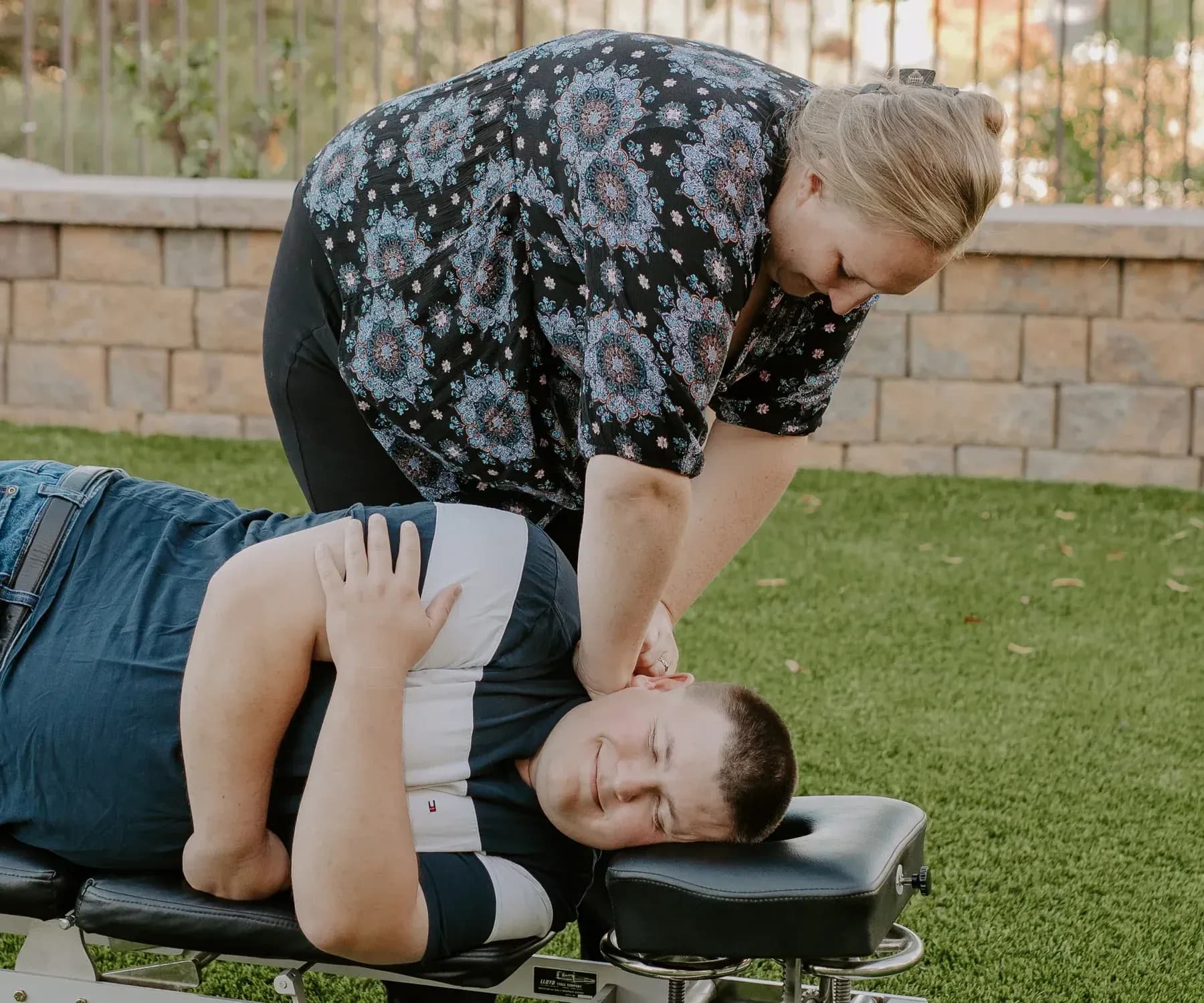
Many stubborn symptoms trace back to the top two bones of your neck, where your spine meets your skull. Dr. Caitlin Walker uses the Blair upper cervical technique, guided by CBCT imaging, to find and gently correct misalignments there, and she assesses the whole cervical spine rather than those two bones alone. No twisting, no cracking, just a precise, low-force correction matched to your anatomy.
What your first visit looks like
Your first visit is about understanding, not rushing to adjust. You'll leave knowing what we found, what we recommend, and why, explained in plain language.
- A conversation about your health history and goals
- A thorough neurological and orthopedic exam
- CBCT imaging when it's indicated, so care is based on your real anatomy
- A clear, personalized care plan
Your journey to better health starts here
- 1.
Before your visit
Book your appointment and complete our intake forms so we understand your health history and goals.
- 2.
Your first visit
A thorough neurological and orthopedic exam of your neck with objective testing that measures your range of motion, proprioception, and sensorimotor control, plus a thermography scan, posture analysis, and CBCT imaging to map your care plan.
- 3.
Your care plan
Adjustments tailored to your specific needs, with gentle, precise corrections built around you, plus our massage chairs to help you relax before and after.
- 4.
Ongoing support
Consistent care that helps your body maintain progress and sustain long-term health, with the massage chairs open to you at every visit.

See it in action
Real relief, in their words
“I love Atlas in Balance Chiropractic! Everyone there is so kind and attentive. Dr. Caitlin is the first person able to truly stabilize my neck. And what a relief that has been! She’s amazing at what she does!”

Your chiropractor
Dr. Caitlin Walker, DC
Doctor of Chiropractic and Oceanside native, specializing in Blair Upper Cervical Chiropractic with CBCT-guided precision. Certified Athletic Trainer and AVCA-certified Animal Chiropractor.
Meet Dr. WalkerGood to know
Frequently asked questions
- Can a chiropractor help with neck pain?
- Often, yes. Much neck pain traces back to imbalance at the top of the cervical spine, and gentle, precise correction there may relieve pressure on the surrounding muscles and joints so they can finally relax.
- What does neck pain treatment at Atlas in Balance involve?
- A consultation and exam, CBCT imaging when indicated, then a light, specific upper cervical correction, never a rapid twisting motion, with a plan built around what your imaging and exam actually show.
- Is upper cervical care different from a regular neck adjustment?
- Yes. Rather than a broad twist through the neck, Blair upper cervical care targets a precise correction at the top two vertebrae, guided by imaging, so the adjustment is gentler and more specific to your anatomy.
- What causes chronic neck stiffness?
- Posture, old injuries like whiplash, and misalignment at the top of the spine can all contribute. When the joints there sit off-balance, the surrounding muscles tighten to compensate, which is often felt as ongoing stiffness.
- How many visits does neck pain usually take to improve?
- It varies with how long the imbalance has been present and how your body responds. Because neck tension rarely develops overnight, most people need a series of visits to correct and stabilize the area.
- Do I need imaging before starting care?
- In most cases, yes. Seeing the exact position of your upper cervical spine lets Dr. Walker plan a correction tailored to your anatomy, which is what keeps the care precise and gentle.
- When should I see a medical doctor instead of a chiropractor for neck pain?
- Seek medical care first if neck pain follows an accident or fall, or comes with fever, severe headache, new arm or leg weakness or numbness, loss of bladder or bowel control, or unexplained weight loss. If your exam here suggests something outside chiropractic care, Dr. Walker will refer you to the right provider.
- Can neck pain cause headaches or dizziness?
- It can. The upper neck shares nerve pathways with the head and helps your brain track head position, so irritation there is sometimes felt as headaches or a sense of unsteadiness. Both are worth mentioning at your first visit so the exam covers them.
New here?
General questions
- Is upper cervical chiropractic different from a regular adjustment?
- Yes. Upper cervical care starts at the top two bones of the spine, the atlas (C1) and axis (C2), using precise, low-force corrections guided by imaging. It isn't limited to those two bones, though: Dr. Walker examines and cares for the whole cervical spine, since the rest of your neck affects how well a correction holds. There's no twisting, cracking, or popping, and every adjustment is tailored to your exact anatomy.
- Do adjustments hurt?
- No. Blair corrections use a light, specific contact, so most people feel gentle pressure and nothing more. Many patients are surprised by how calm the experience is, especially if traditional adjusting has made them nervous before.
- What happens at my first visit?
- Your first visit includes a conversation about your health history, a thorough neurological and orthopedic exam, and CBCT imaging when it's indicated. Dr. Walker then explains what she found and recommends a plan in plain language, with no pressure and no rush.
Learn more
Related articles
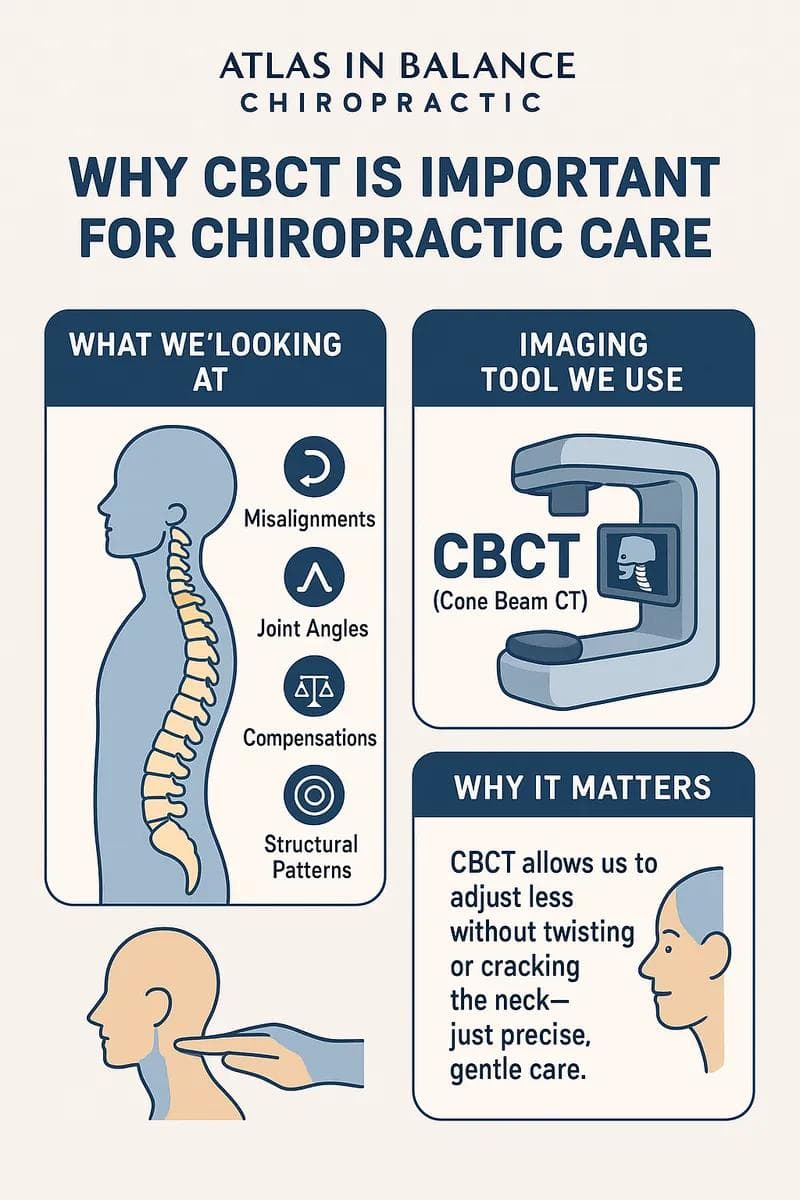
Precision in Practice: Why Blair Upper Cervical Imaging Looks at the Entire Neck
Blair upper cervical imaging maps your neck in 3D so each adjustment fits your exact anatomy. Here's why precise imaging is the foundation of gentle, effective care.
Read more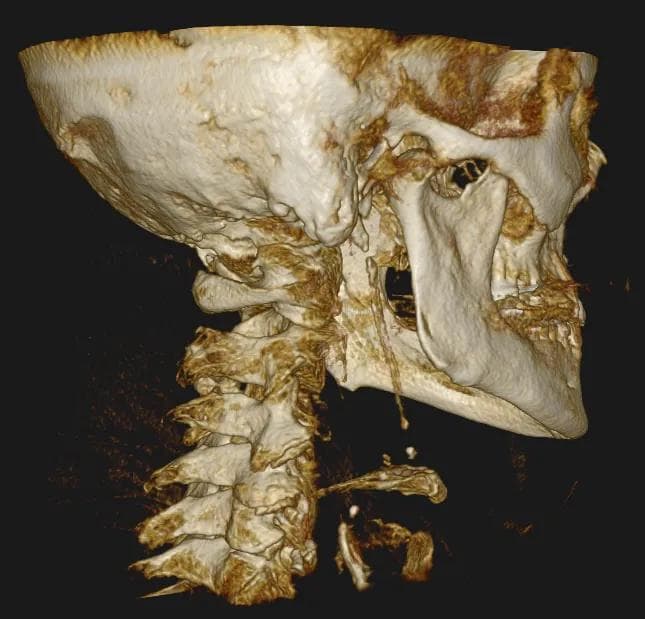
Could Eagle Syndrome Be the Cause of Your Neck and Facial Pain?
Eagle syndrome is an often-missed cause of neck and facial pain. Learn what it is, how it's evaluated, and where gentle upper cervical care may fit in.
Read more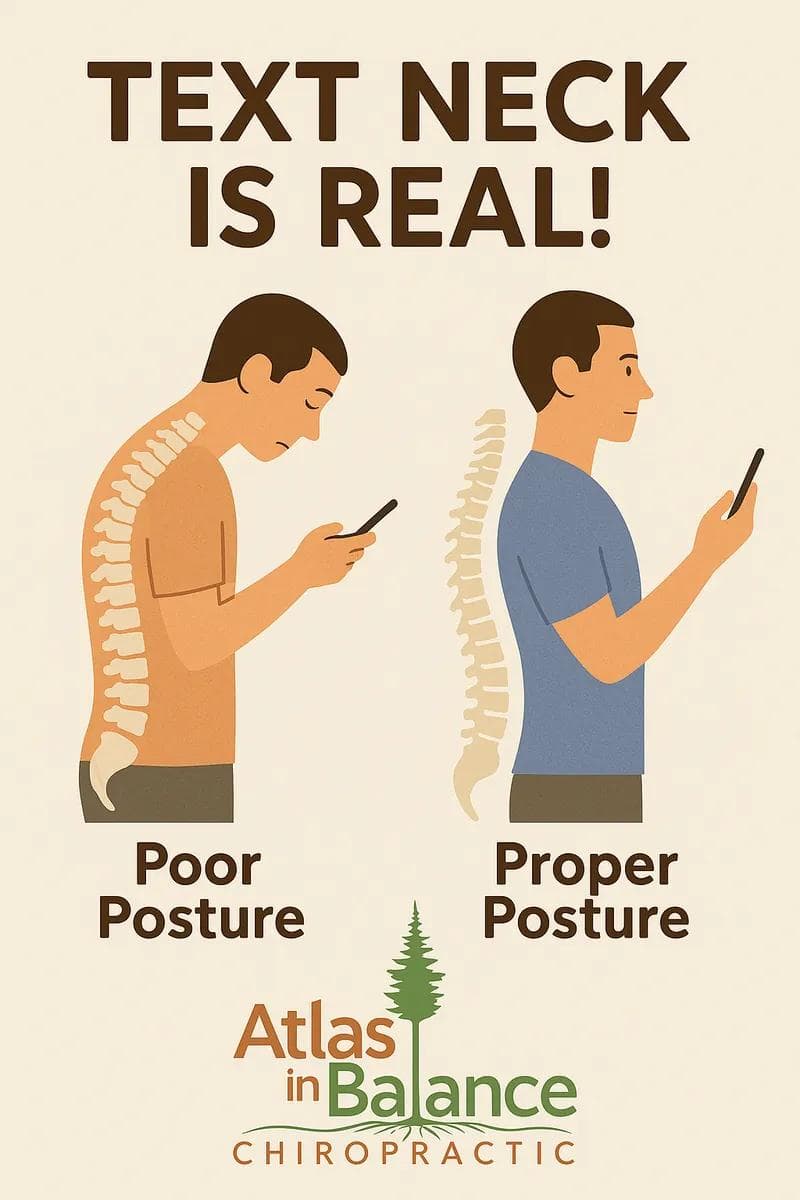
The Effects of Texting on Posture: What You Need to Know
Hours looking down at a phone add real load to your neck and shoulders. Learn how 'text neck' affects posture over time and simple ways to protect your spine.
Read more
New patients welcome
Ready to feel your best?
Book your visit, and we'll help you take the first step toward gentle, precise upper cervical care in Oceanside.