
Headache Relief in Oceanside, CA
Headaches in Oceanside can start as a tight band across your forehead, a dull ache at the base of your skull, or pain that seems to radiate up from your neck. If over-the-counter medication only takes the edge off, or your headaches keep coming back, the cause may be higher up than you think. At Atlas in Balance, Dr. Caitlin Walker looks at the top of your cervical spine, where nerves and muscles tied to head pain begin, rather than treating the pain in isolation.
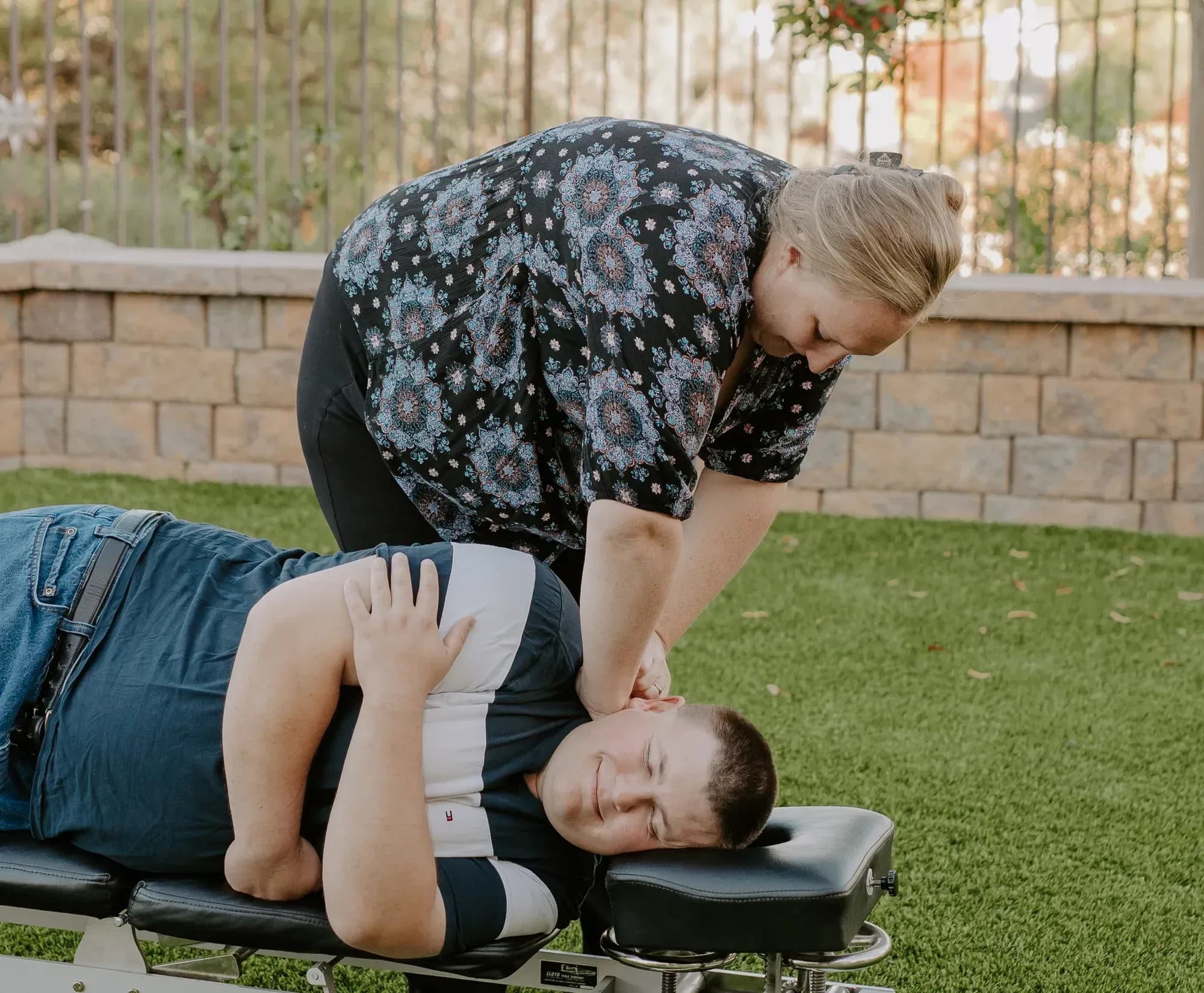
Look upstream
Recurring headaches often trace back to tension and misalignment at the top of the neck, so that's the first place we look.
What's really happening
The neck-headache connection
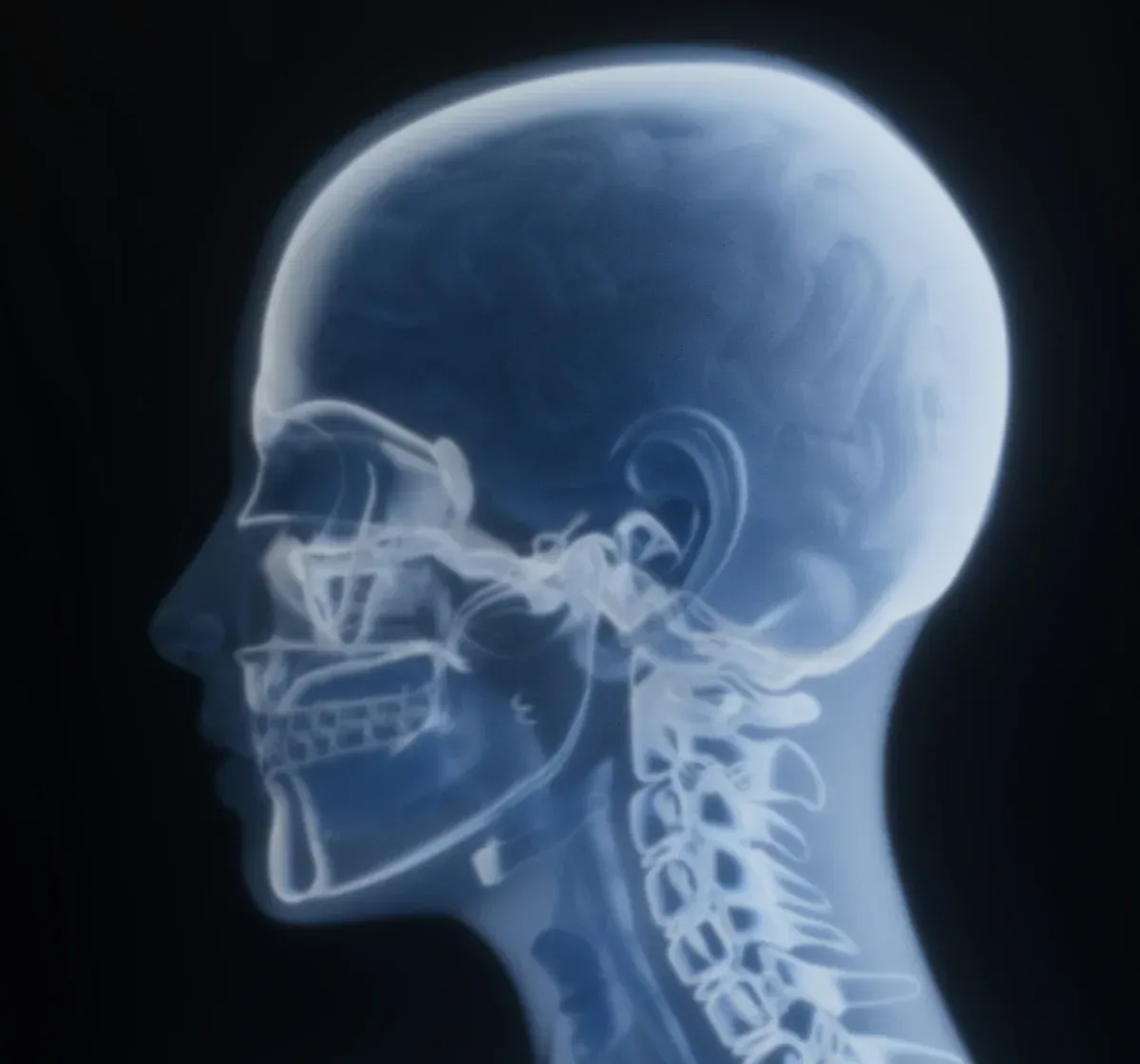
The upper cervical spine is packed with nerves that also feed sensation to the head and face, a link often called a cervicogenic headache. When the top two vertebrae sit off-balance, the surrounding muscles and nerves can become irritated, and that irritation is frequently felt as a headache rather than neck pain.
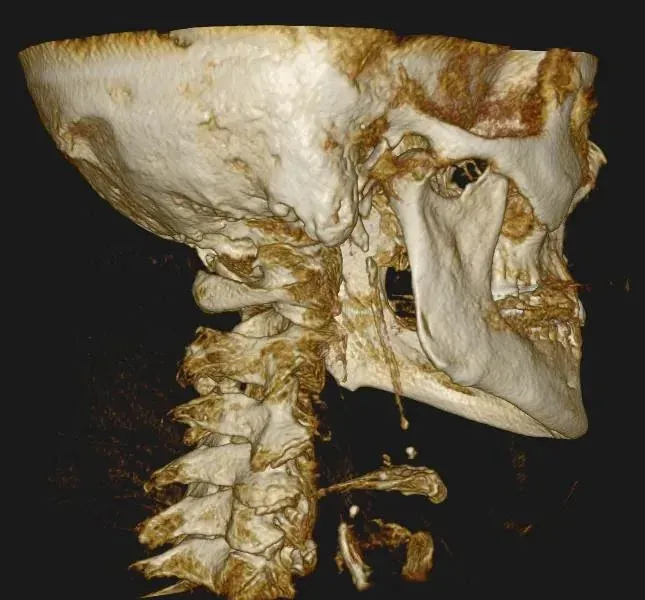
The Blair difference
Addressing the source, gently
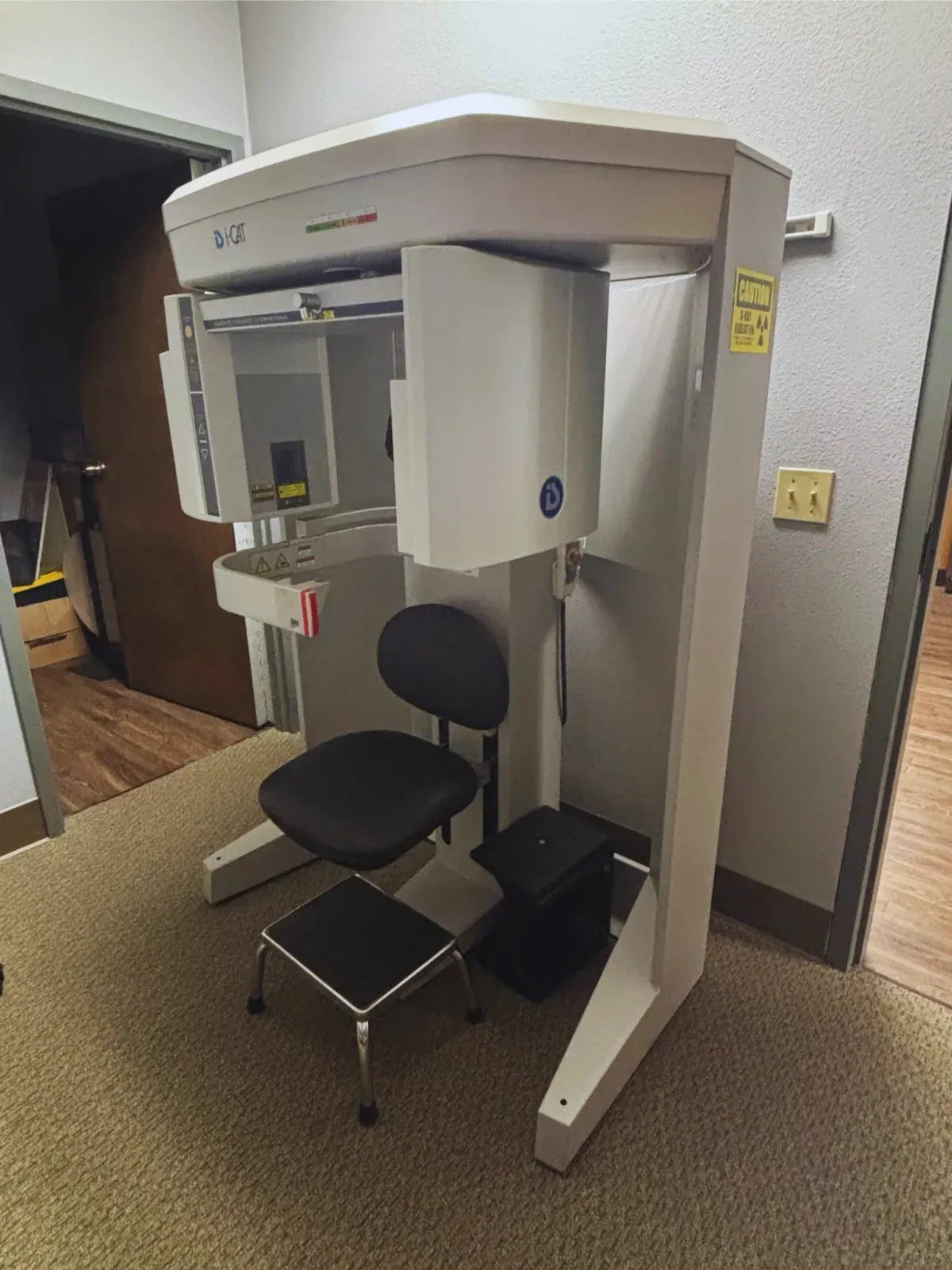
Rather than treating each headache as it comes, Blair upper cervical care uses CBCT imaging to find exactly where the top of your spine is out of balance, then applies a light, specific correction there. Many patients notice their headaches become less frequent as the underlying irritation settles.
Your headache exam
What we check when headaches keep coming back
Headache relief depends on knowing what kind of headache you're dealing with. Tension-type and cervicogenic headaches, the kinds most often tied to the neck, tend to follow patterns that show up in an exam. At your first Oceanside visit, Dr. Walker looks for those patterns before recommending any care. When the findings point to the upper neck, CBCT imaging shows exactly how the top two vertebrae are sitting. When they don't, we'll say so and help you find the right provider.
- Where your headaches start and travel: the base of the skull, behind one eye, the temples, or a band across the forehead
- Whether neck movement or held postures, like desk work or driving, bring a headache on
- Tenderness and muscle tension at the top of the neck and the base of the skull
- Neck range of motion and posture, including forward-head position
- Neurological and orthopedic screening for signs that need medical referral
- Your history: past concussions, whiplash, jaw clenching, sleep, and what you've already tried
Safety first
When to see a medical doctor first for a headache
Most headaches are not dangerous, but a few patterns need prompt medical attention before any chiropractic care. Call 911 or go to an emergency room for any of the following.
- A sudden, severe headache that peaks within about a minute, often described as the worst headache of your life
- Headache with fever, a stiff neck, confusion, or a rash
- Headache with weakness, numbness, vision loss, trouble speaking, or facial drooping
- A headache that starts after a head injury
- A new or changing headache pattern after age 50, or headaches that steadily worsen over days or weeks
- Headache with vision changes or swelling during pregnancy or shortly after delivery
Our approach
Care that starts at the top of your spine
Many stubborn symptoms trace back to the top two bones of your neck, where your spine meets your skull. Dr. Caitlin Walker uses the Blair upper cervical technique, guided by CBCT imaging, to find and gently correct misalignments there, and she assesses the whole cervical spine rather than those two bones alone. No twisting, no cracking, just a precise, low-force correction matched to your anatomy.
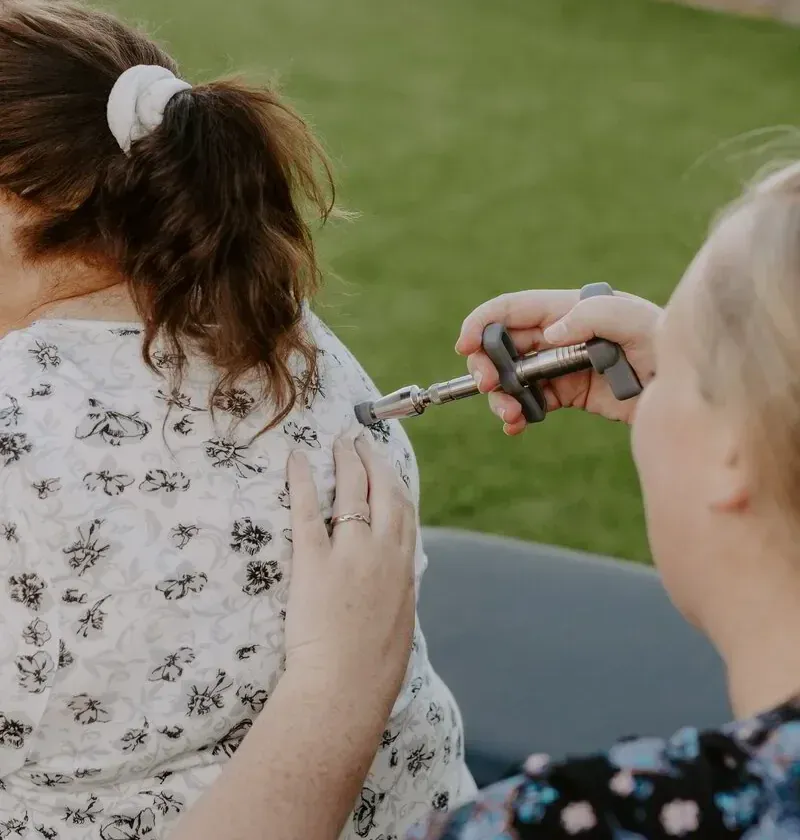
What your first visit looks like
Your first visit is about understanding, not rushing to adjust. You'll leave knowing what we found, what we recommend, and why, explained in plain language.
- A conversation about your health history and goals
- A thorough neurological and orthopedic exam
- CBCT imaging when it's indicated, so care is based on your real anatomy
- A clear, personalized care plan
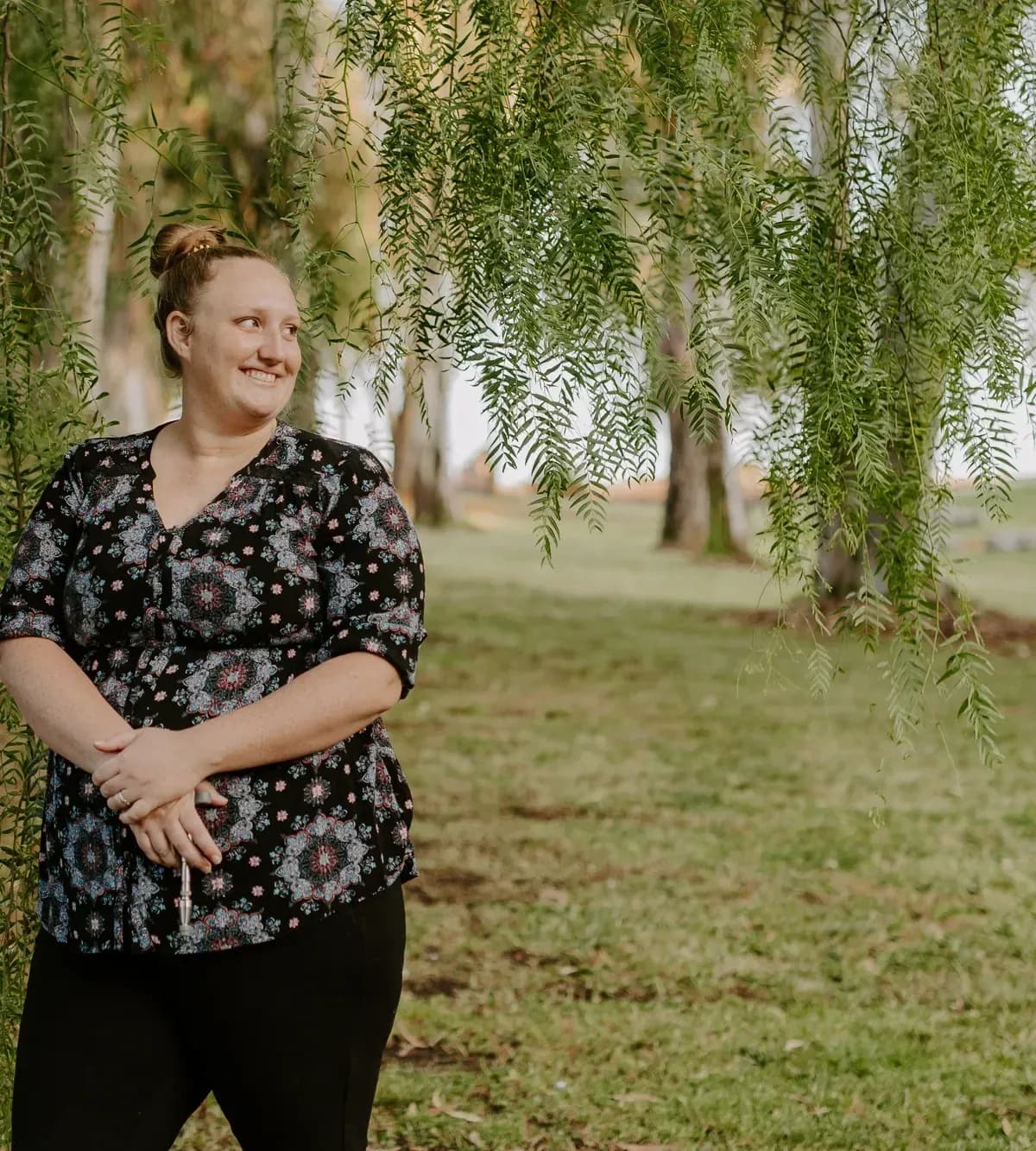
Your journey to better health starts here
- 1.
Before your visit
Book your appointment and complete our intake forms so we understand your health history and goals.
- 2.
Your first visit
A thorough neurological and orthopedic exam of your neck with objective testing that measures your range of motion, proprioception, and sensorimotor control, plus a thermography scan, posture analysis, and CBCT imaging to map your care plan.
- 3.
Your care plan
Adjustments tailored to your specific needs, with gentle, precise corrections built around you, plus our massage chairs to help you relax before and after.
- 4.
Ongoing support
Consistent care that helps your body maintain progress and sustain long-term health, with the massage chairs open to you at every visit.

See it in action
Real relief, in their words
“I recently visited Atlas In Balance Chiropractic and I am so impressed with the service I received. From the moment I walked in, the staff was welcoming and professional, making me feel comfortable right away.”

Your chiropractor
Dr. Caitlin Walker, DC
Doctor of Chiropractic and Oceanside native, specializing in Blair Upper Cervical Chiropractic with CBCT-guided precision. Certified Athletic Trainer and AVCA-certified Animal Chiropractor.
Meet Dr. WalkerGood to know
Frequently asked questions
- Can a chiropractor help with headaches?
- Often, yes, especially when headaches are tied to tension or misalignment in the upper neck. Gentle, precise correction there may ease the irritation that's driving the pain.
- What's a cervicogenic headache?
- It's a headache that originates from the neck rather than the head itself, often from irritation or misalignment at the top of the cervical spine. It can feel like a regular headache but tends to respond to care focused on the neck.
- How is headache care different from taking medication?
- Medication can dull the pain temporarily, while upper cervical care looks at whether misalignment at the top of the spine is contributing to the irritation behind your headaches in the first place.
- What does headache treatment at Atlas in Balance involve?
- A consultation and exam, CBCT imaging when indicated, then a gentle, specific upper cervical correction, with a care plan based on what your imaging and exam show.
- Are headaches related to neck pain?
- They can be. The nerves and muscles at the top of the neck are closely tied to head pain, so many people with frequent headaches also notice neck stiffness or tension.
- How many visits will I need for headache relief?
- It depends on how long the imbalance has been present. Because headache patterns rarely resolve overnight, most people need a series of visits to correct and stabilize the area.
- Is this the same as treatment for migraines?
- Migraines involve their own distinct patterns and triggers. This page focuses on tension-type and cervicogenic headaches. If migraines are your main concern, our migraine relief page explains how we approach them, and you can mention it at your consultation so care can be tailored accordingly.
- When is a headache an emergency?
- Call 911 or go to an emergency room for a sudden, severe headache unlike any you've had, or a headache with fever and a stiff neck, confusion, weakness, numbness, vision loss, trouble speaking, or one that follows a head injury. Those need immediate medical care, not a chiropractic visit.
- Can poor posture or desk work cause headaches?
- It can contribute. Hours with your head held forward load the muscles and joints at the top of the neck, and that tension is a common trigger for tension-type and cervicogenic headaches. Posture is one of the things Dr. Walker checks at your first visit.
New here?
General questions
- Is upper cervical chiropractic different from a regular adjustment?
- Yes. Upper cervical care starts at the top two bones of the spine, the atlas (C1) and axis (C2), using precise, low-force corrections guided by imaging. It isn't limited to those two bones, though: Dr. Walker examines and cares for the whole cervical spine, since the rest of your neck affects how well a correction holds. There's no twisting, cracking, or popping, and every adjustment is tailored to your exact anatomy.
- Do adjustments hurt?
- No. Blair corrections use a light, specific contact, so most people feel gentle pressure and nothing more. Many patients are surprised by how calm the experience is, especially if traditional adjusting has made them nervous before.
- What happens at my first visit?
- Your first visit includes a conversation about your health history, a thorough neurological and orthopedic exam, and CBCT imaging when it's indicated. Dr. Walker then explains what she found and recommends a plan in plain language, with no pressure and no rush.
Learn more
Related articles
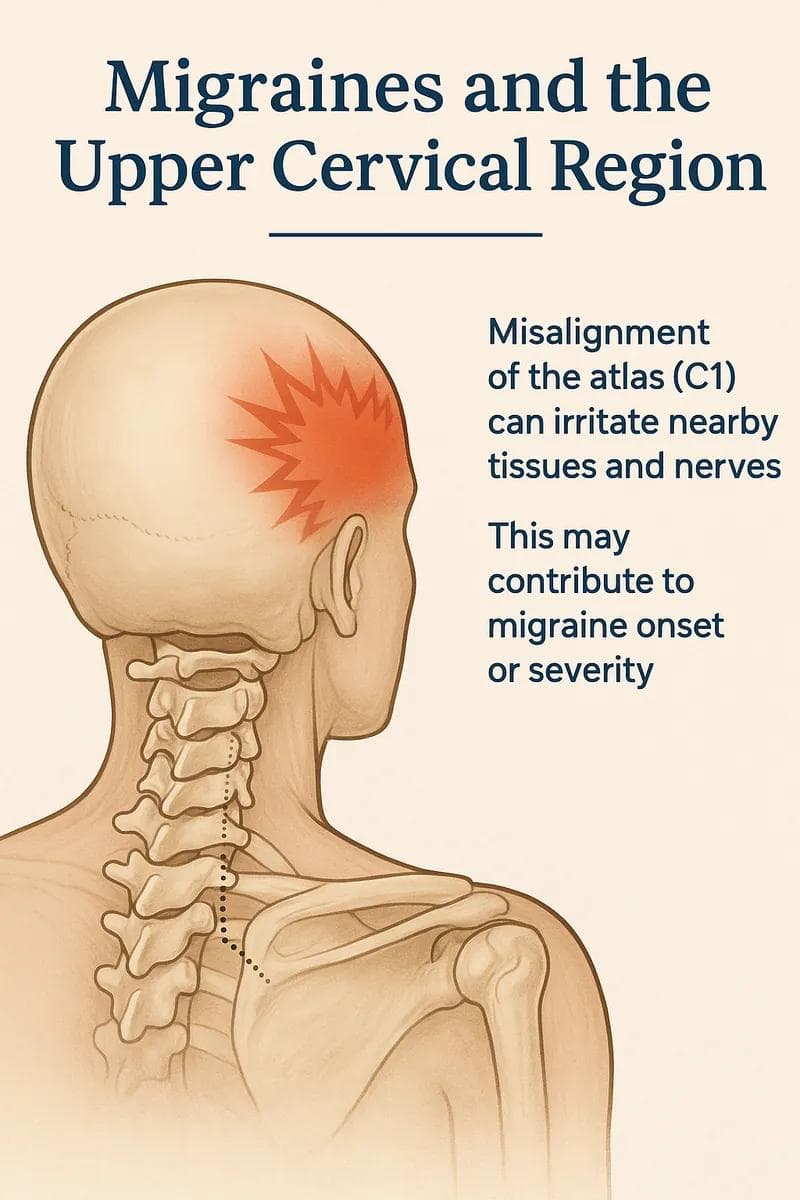
The Migraine Connection: How the Top of Your Spine Could Be Fueling Your Headaches
Chronic headaches often trace back to the top of the spine. Explore the migraine connection and how precise upper cervical care may help calm the pattern.
Read more
Why People in Oceanside See Chiropractors for Chronic Migraines
Why do so many people in Oceanside see an upper cervical chiropractor for chronic migraines? A look at the local approach to lasting headache relief.
Read more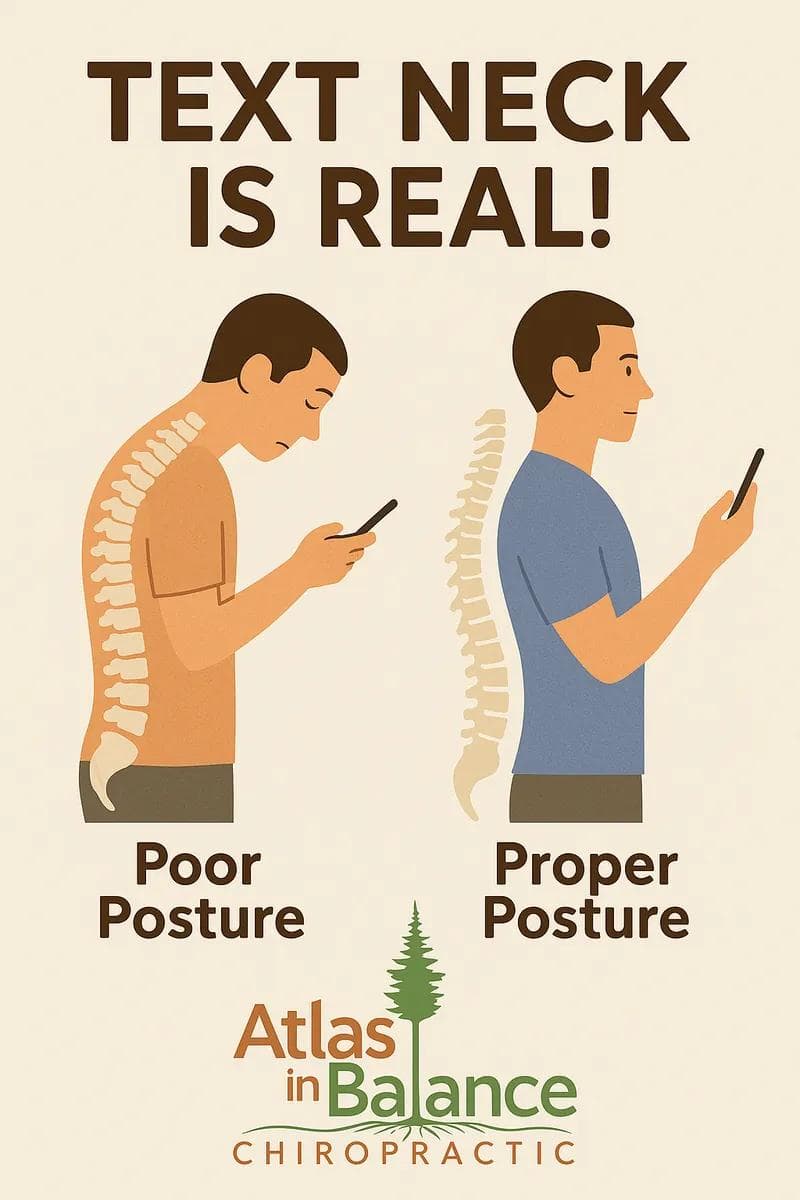
The Effects of Texting on Posture: What You Need to Know
Hours looking down at a phone add real load to your neck and shoulders. Learn how 'text neck' affects posture over time and simple ways to protect your spine.
Read more
New patients welcome
Ready to feel your best?
Book your visit, and we'll help you take the first step toward gentle, precise upper cervical care in Oceanside.