
Chiropractic Care for Asthma in Oceanside, CA
Asthma in Oceanside can mean a tight chest on cool mornings, a cough that lingers after a cold, or shoulders and an upper back that ache from working hard to breathe. Your inhalers and your doctor's plan come first. Some people with asthma also want to know whether their posture, rib cage, and upper back are moving as well as they could. At Atlas in Balance, Dr. Caitlin Walker looks at the neck, upper back, and ribs, the structures your breathing muscles attach to, with care that works alongside your medical treatment.

Alongside your asthma plan
Chiropractic care doesn't treat the airways. It looks at the spine, ribs, and posture that every breath depends on.
What's really happening
Breathing is a whole-body job
Asthma is inflammation and narrowing of the airways, and it's managed with medication and an asthma action plan from your doctor. Every breath also depends on your rib cage expanding and the muscles of your neck, upper back, and chest working together. When asthma makes breathing harder, people often brace with their shoulders and neck, and over time the upper back and ribs can stiffen, which may add to chest tightness and muscle fatigue.
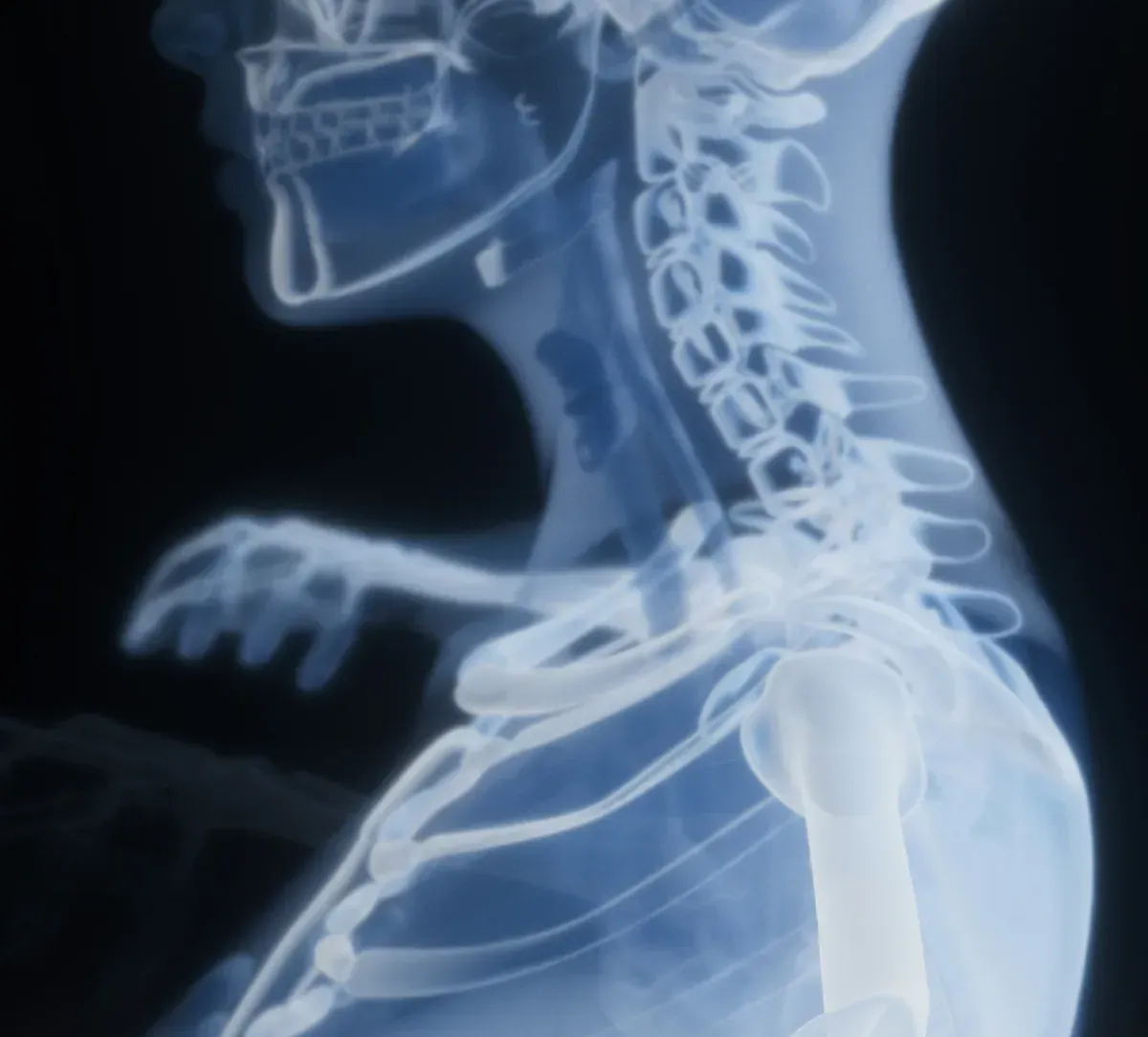
Gentle by design
Care for the upper back, ribs, and neck
Care focuses on how your neck, upper back, and ribs are moving, using gentle, low-force techniques. Blair upper cervical care adds a light, precise correction at the top of the spine, with no twisting or cracking. Research has not shown that chiropractic care improves lung function or prevents asthma attacks, so we don't promise that. Some patients tell us their upper back and chest feel less tight, and that's the goal we work toward.

Your first visit
What we check at an asthma consultation
Your first visit starts with your asthma history and your current plan, so that care fits around it. Dr. Walker examines how your neck, upper back, and ribs move and where you hold tension when you breathe. Bring your list of medications and, if you have one, your written asthma action plan.
- How well controlled your asthma is right now, and when you last needed your rescue inhaler
- Your triggers, such as exercise, allergies, colds, or cold air
- Posture, including rounded shoulders and forward-head position
- Upper back and rib cage motion as you breathe in and out
- Tension in the muscles of the neck, shoulders, and chest
- Your medications, recent flare-ups, and any urgent care or hospital visits

Your plan comes first
Keep using your inhaler and asthma action plan
Chiropractic care is not a treatment for asthma and is never a reason to change your medication. Keep using your controller and rescue inhalers exactly as your doctor prescribed, follow your asthma action plan, and keep your regular checkups. Bring your rescue inhaler to every visit. If your asthma isn't well controlled right now, see your doctor first, and we'll schedule care once things are stable.
Safety first
When to see a medical doctor first for asthma symptoms
An asthma attack can be life-threatening. Use your rescue inhaler as your plan directs, and call 911 or go to an emergency room for any of the following. Call your doctor promptly, rather than starting chiropractic care, if you need your rescue inhaler more often than your plan allows, symptoms wake you at night, or you have new wheezing or a lasting cough that hasn't been checked.
- Trouble breathing that doesn't improve after using your rescue inhaler
- Being too short of breath to speak in full sentences or to walk
- Blue or gray lips, face, or fingernails
- Chest pain, confusion, or unusual drowsiness during a flare
Our approach
Care that starts at the top of your spine
Many stubborn symptoms trace back to the top two bones of your neck, where your spine meets your skull. Dr. Caitlin Walker uses the Blair upper cervical technique, guided by CBCT imaging, to find and gently correct misalignments there, and she assesses the whole cervical spine rather than those two bones alone. No twisting, no cracking, just a precise, low-force correction matched to your anatomy.

What your first visit looks like
Your first visit is about understanding, not rushing to adjust. You'll leave knowing what we found, what we recommend, and why, explained in plain language.
- A conversation about your health history and goals
- A thorough neurological and orthopedic exam
- CBCT imaging when it's indicated, so care is based on your real anatomy
- A clear, personalized care plan

Your journey to better health starts here
- 1.
Before your visit
Book your appointment and complete our intake forms so we understand your health history and goals.
- 2.
Your first visit
A thorough neurological and orthopedic exam of your neck with objective testing that measures your range of motion, proprioception, and sensorimotor control, plus a thermography scan, posture analysis, and CBCT imaging to map your care plan.
- 3.
Your care plan
Adjustments tailored to your specific needs, with gentle, precise corrections built around you, plus our massage chairs to help you relax before and after.
- 4.
Ongoing support
Consistent care that helps your body maintain progress and sustain long-term health, with the massage chairs open to you at every visit.

See it in action
Real relief, in their words
“Dr Caitlin and her staff are amazing! I highly recommend going in to get an initial exam with scans and set up additional appointments to “get your head on straight.””

Your chiropractor
Dr. Caitlin Walker, DC
Doctor of Chiropractic and Oceanside native, specializing in Blair Upper Cervical Chiropractic with CBCT-guided precision. Certified Athletic Trainer and AVCA-certified Animal Chiropractor.
Meet Dr. WalkerGood to know
Frequently asked questions
- Can a chiropractor treat asthma?
- No. Asthma is a medical condition managed with medication and an asthma action plan from your doctor, and studies have not shown that chiropractic care improves lung function. What we can do is care for the neck, upper back, and ribs, which many people with asthma find stiff and tight.
- Should I stop or reduce my asthma medication?
- No. Never change or stop asthma medication without your doctor. Keep using your controller and rescue inhalers exactly as prescribed.
- Why would my upper back matter if I have asthma?
- Your ribs attach to your upper back, and several breathing muscles attach to your neck and shoulders. When breathing is a struggle, those areas often tighten and stiffen. Gentle care aims to help them move more freely.
- Is chiropractic care safe if I have asthma?
- The care we provide is gentle and low-force. We ask that your asthma be well controlled before you start, and that you bring your rescue inhaler to every visit.
- Do you see children with asthma?
- We see children and families at our Oceanside office. A child's asthma care should always be led by their pediatrician, and we work around that plan. Our family and pediatric care page explains how visits work for kids.
- What about allergies?
- Allergies are a common asthma trigger, and allergy treatment belongs with your doctor or an allergist. Mention your triggers at your consultation so we have the full picture.
New here?
General questions
- Is upper cervical chiropractic different from a regular adjustment?
- Yes. Upper cervical care starts at the top two bones of the spine, the atlas (C1) and axis (C2), using precise, low-force corrections guided by imaging. It isn't limited to those two bones, though: Dr. Walker examines and cares for the whole cervical spine, since the rest of your neck affects how well a correction holds. There's no twisting, cracking, or popping, and every adjustment is tailored to your exact anatomy.
- Do adjustments hurt?
- No. Blair corrections use a light, specific contact, so most people feel gentle pressure and nothing more. Many patients are surprised by how calm the experience is, especially if traditional adjusting has made them nervous before.
- What happens at my first visit?
- Your first visit includes a conversation about your health history, a thorough neurological and orthopedic exam, and CBCT imaging when it's indicated. Dr. Walker then explains what she found and recommends a plan in plain language, with no pressure and no rush.
Learn more
Related articles

How Blair Upper Cervical Care Supports Your Autonomic Nervous System
The upper neck sits beside the brainstem, where your autonomic nervous system lives. See how gentle Blair upper cervical care may help your body shift out of constant fight-or-flight.
Read more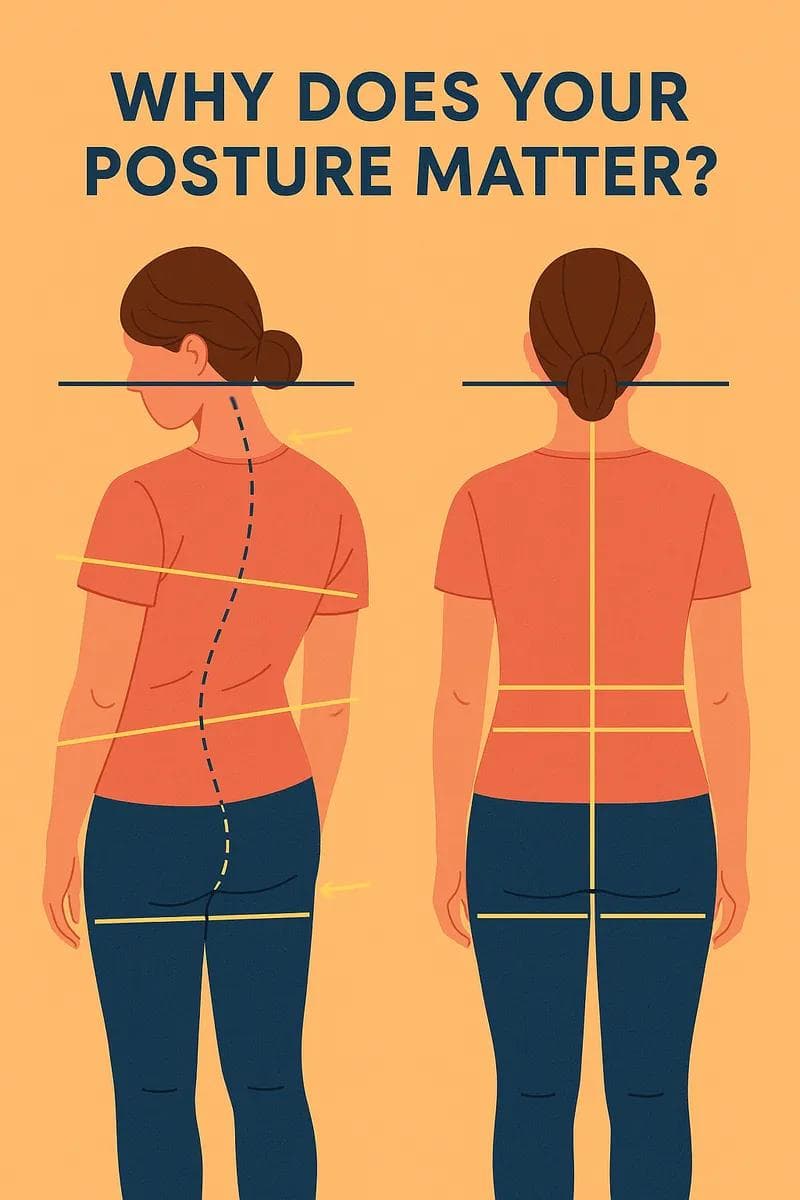
How Your Posture and the Righting Reflex Shape Your Whole Body
Your body fights to keep your eyes level — a survival instinct called the righting reflex. When the upper neck is misaligned, that reflex can pull your whole posture out of balance.
Read more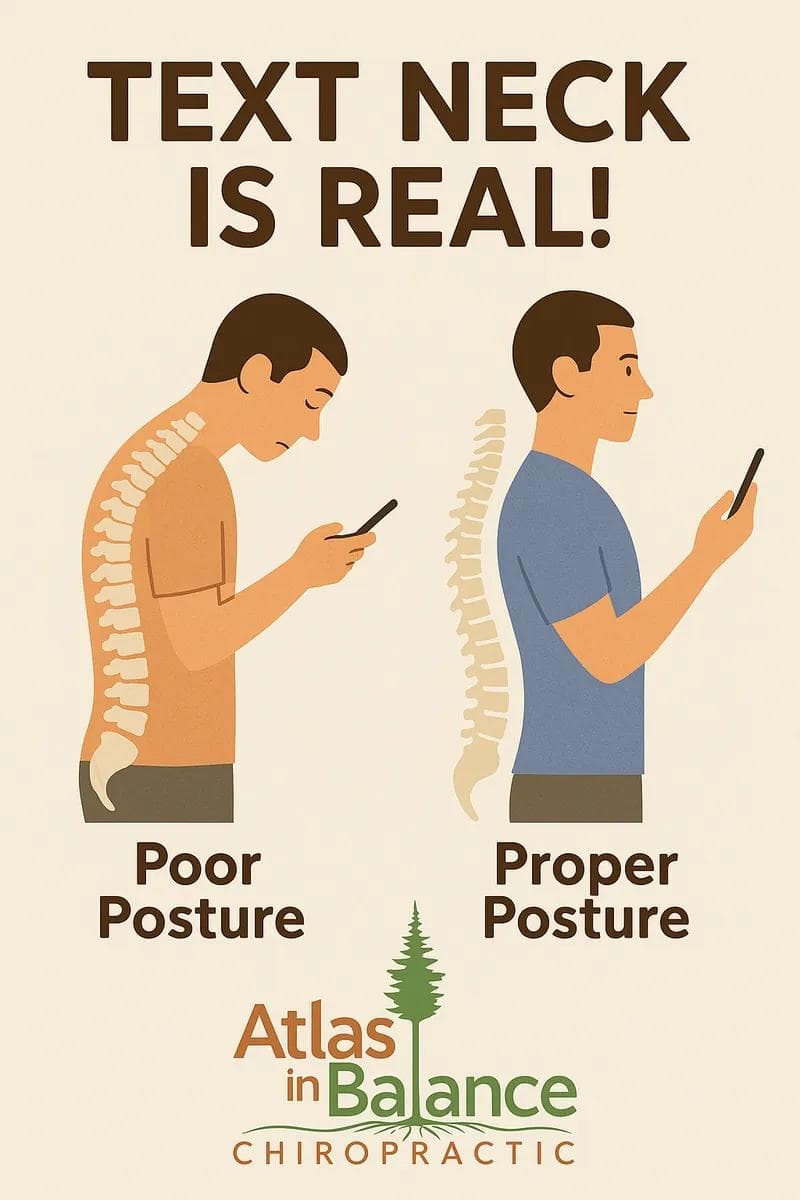
The Effects of Texting on Posture: What You Need to Know
Hours looking down at a phone add real load to your neck and shoulders. Learn how 'text neck' affects posture over time and simple ways to protect your spine.
Read more
New patients welcome
Ready to feel your best?
Book your visit, and we'll help you take the first step toward gentle, precise upper cervical care in Oceanside.