
Vertigo Relief in Oceanside, CA
Vertigo in Oceanside, that spinning or off-balance feeling that can strike out of nowhere, often gets traced to the inner ear, but the neck plays a role too. Tiny receptors in the joints at the top of your cervical spine help your brain track where your head is in space, and when those joints are out of balance, the signals they send can be part of what's throwing off your balance. At Atlas in Balance, Dr. Caitlin Walker checks the top of your spine as part of getting to the source.

Look upstream
Balance depends partly on signals from the top of the neck, so that's one of the first places we check when vertigo shows up.
What's really happening
How your neck affects balance
The joints at the top of your cervical spine are rich with receptors that tell your brain how your head is positioned. When those joints sit off-balance, sometimes called cervicogenic vertigo, the signals they send can conflict with what your inner ear and eyes are reporting, which the brain can register as dizziness or spinning.
The Blair difference
A precise, gentle place to start
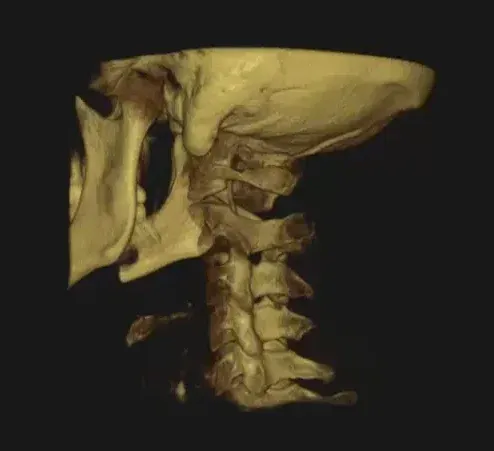
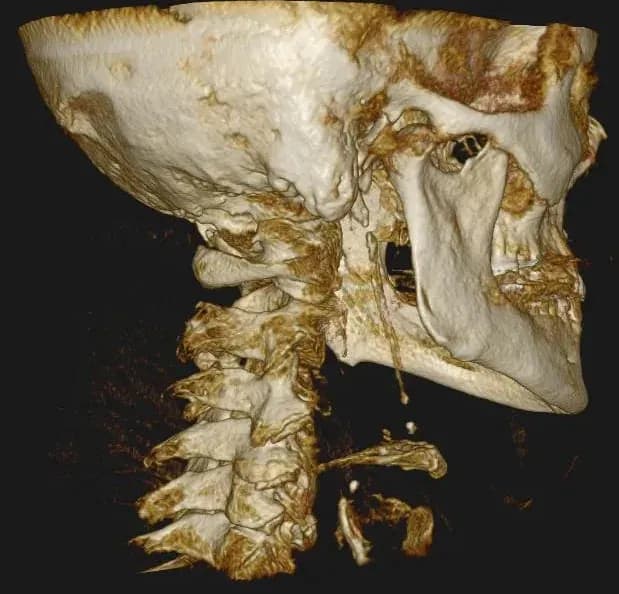
CBCT imaging shows Dr. Walker exactly how the top of your spine is positioned, so the correction that follows is light and specific, not a forceful twist, aimed at restoring clearer signals from the neck to the brain.
Your vertigo exam
What we check when the room starts spinning
Vertigo relief starts with sorting out where the dizziness is coming from. The inner ear, the eyes, the brain, and the neck all feed your sense of balance, and each one produces a different pattern. At your first Oceanside visit, Dr. Walker looks for signs that the upper neck is part of the picture, a pattern often called cervicogenic dizziness. If it is, CBCT imaging shows precisely how the top two vertebrae are sitting. If your symptoms point to the inner ear or something else, we'll tell you and help you find the right provider.
- What sets an episode off: rolling over in bed, looking up, turning your head quickly, or standing up
- How long episodes last, and whether they come with nausea, ear fullness, ringing, or hearing changes
- Neck range of motion, and whether neck movement or neck pain tracks with the dizziness
- Balance, gait, and eye-movement screening
- Neurological and orthopedic tests for signs that need medical referral
- Your history: whiplash, concussion, falls, and any previous vertigo diagnosis such as BPPV
Safety first
When to see a medical doctor first for vertigo
Sudden vertigo can occasionally be a sign of a stroke or another medical emergency. Call 911 right away if dizziness or vertigo comes with any of the following. New vertigo that hasn't been evaluated by a physician is also worth a medical visit first.
- A sudden severe headache, or neck pain unlike anything you've had before
- Double vision, loss of vision, slurred speech, or trouble swallowing
- Facial drooping, or weakness or numbness in an arm or leg
- Trouble walking, or loss of coordination that doesn't pass
- Chest pain, a racing or irregular heartbeat, or fainting
- Sudden hearing loss in one ear
Our approach
Care that starts at the top of your spine
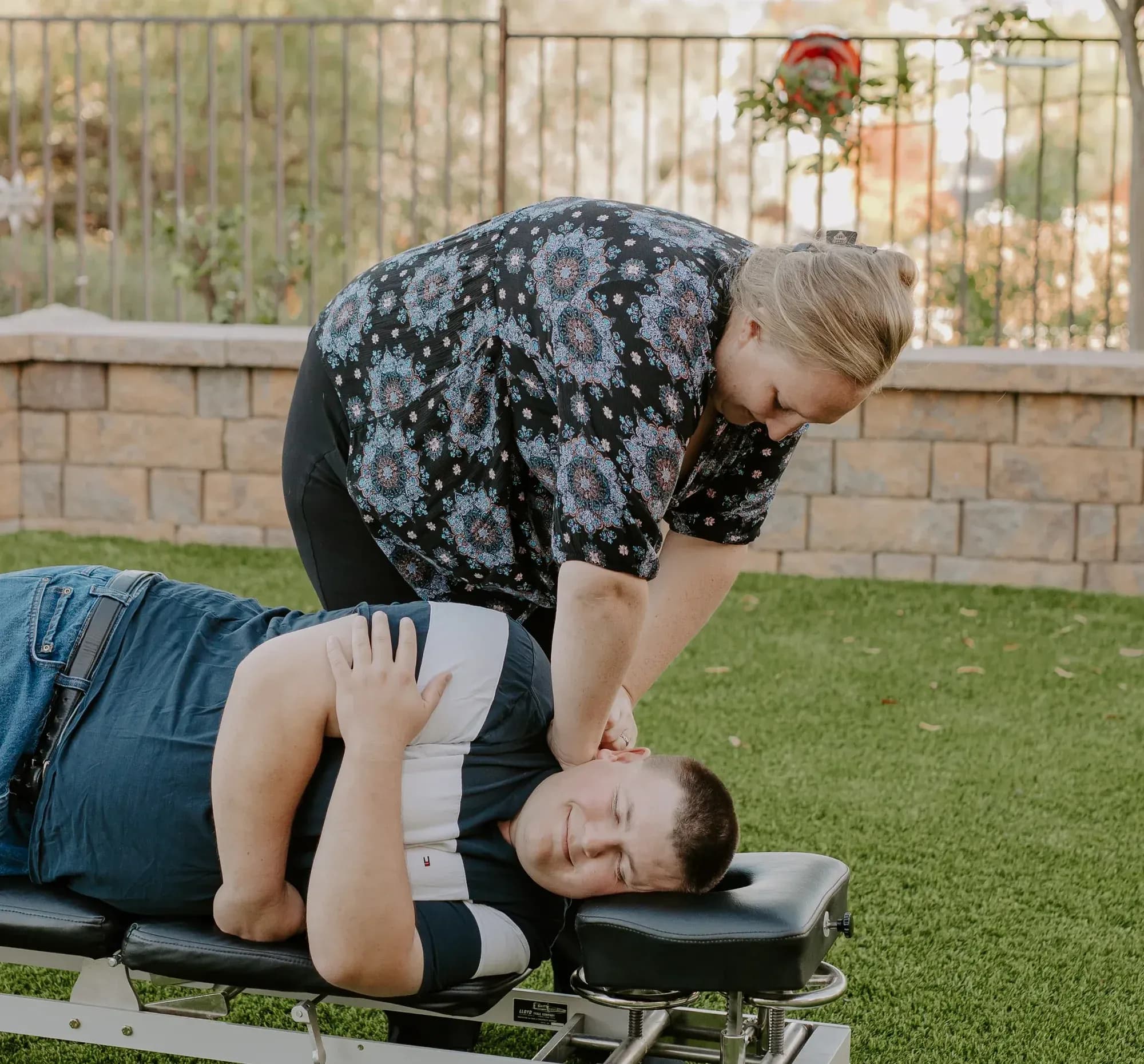
Many stubborn symptoms trace back to the top two bones of your neck, where your spine meets your skull. Dr. Caitlin Walker uses the Blair upper cervical technique, guided by CBCT imaging, to find and gently correct misalignments there, and she assesses the whole cervical spine rather than those two bones alone. No twisting, no cracking, just a precise, low-force correction matched to your anatomy.
What your first visit looks like
Your first visit is about understanding, not rushing to adjust. You'll leave knowing what we found, what we recommend, and why, explained in plain language.
- A conversation about your health history and goals
- A thorough neurological and orthopedic exam
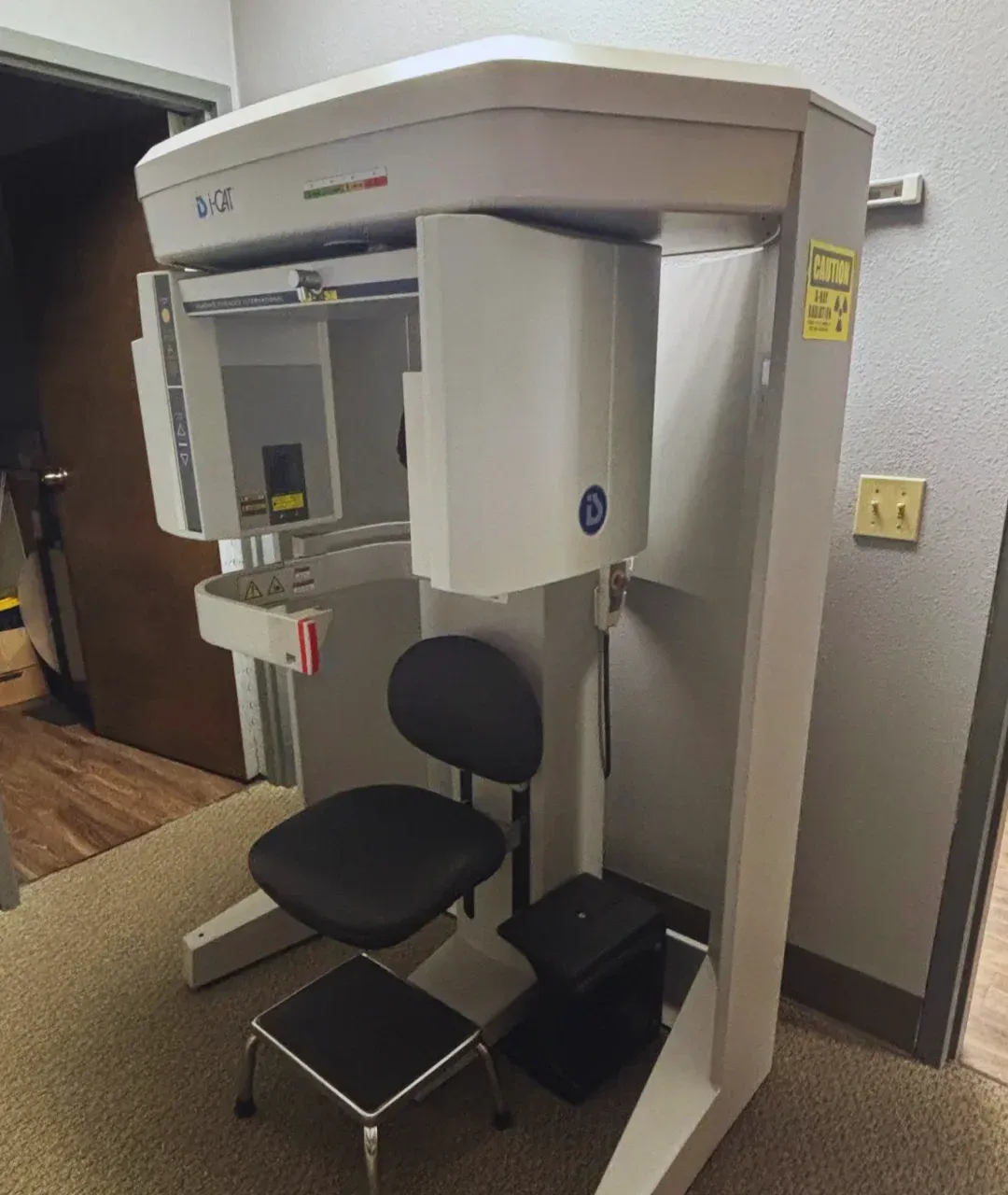
- CBCT imaging when it's indicated, so care is based on your real anatomy
- A clear, personalized care plan
Your journey to better health starts here
- 1.
Before your visit
Book your appointment and complete our intake forms so we understand your health history and goals.
- 2.
Your first visit
A thorough neurological and orthopedic exam of your neck with objective testing that measures your range of motion, proprioception, and sensorimotor control, plus a thermography scan, posture analysis, and CBCT imaging to map your care plan.
- 3.
Your care plan
Adjustments tailored to your specific needs, with gentle, precise corrections built around you, plus our massage chairs to help you relax before and after.
- 4.
Ongoing support
Consistent care that helps your body maintain progress and sustain long-term health, with the massage chairs open to you at every visit.

See it in action
Real relief, in their words
“Dr. Walker and her staff are wonderful. She is experienced, professional and very friendly. I completed her treatment plan and now go once a month for maintenance.”

Your chiropractor
Dr. Caitlin Walker, DC
Doctor of Chiropractic and Oceanside native, specializing in Blair Upper Cervical Chiropractic with CBCT-guided precision. Certified Athletic Trainer and AVCA-certified Animal Chiropractor.
Meet Dr. WalkerGood to know
Frequently asked questions
- Can a chiropractor help with vertigo?
- For some people, yes, particularly when the joints at the top of the neck are contributing to the confusing balance signals behind cervicogenic vertigo. Gentle, precise correction there may help settle those signals.
- What's the difference between vertigo from the ear and vertigo from the neck?
- Inner-ear vertigo often comes with hearing changes or is triggered by specific head positions, while cervicogenic vertigo is more often linked to neck stiffness or a recent neck injury. An exam can help sort out which factors may be at play for you.
- Is upper cervical care safe for vertigo?
- Blair upper cervical care uses a light, specific correction guided by imaging, never a forceful twist, which many patients find more comfortable than they expect, especially when they're already feeling unsteady.
- What does vertigo care at Atlas in Balance involve?
- A consultation and exam, CBCT imaging when indicated, then a gentle, specific upper cervical correction, with a plan based on what your imaging and exam show.
- How many visits does vertigo usually take to improve?
- It depends on how long the imbalance has been present and how your body responds. Because balance issues rarely resolve overnight, most people need a series of visits to correct and stabilize the area.
- Should I see a doctor before trying chiropractic care for vertigo?
- If vertigo is new, severe, or comes with other symptoms like slurred speech, vision changes, or weakness, seek medical evaluation first to rule out other causes before pursuing any care.
- When is vertigo an emergency?
- Call 911 if vertigo comes on suddenly with a severe headache, double vision, slurred speech, facial drooping, weakness or numbness, trouble walking, chest pain, or fainting. These can be signs of a stroke or heart problem and need immediate medical care, not a chiropractic visit.
- Can a neck injury like whiplash cause vertigo?
- It can. The joints at the top of the neck help your brain track head position, and after whiplash or a concussion those signals can be disrupted. Dizziness that began after a neck injury and tracks with neck pain or movement is a common reason people have their upper cervical spine checked.
New here?
General questions
- Is upper cervical chiropractic different from a regular adjustment?
- Yes. Upper cervical care starts at the top two bones of the spine, the atlas (C1) and axis (C2), using precise, low-force corrections guided by imaging. It isn't limited to those two bones, though: Dr. Walker examines and cares for the whole cervical spine, since the rest of your neck affects how well a correction holds. There's no twisting, cracking, or popping, and every adjustment is tailored to your exact anatomy.
- Do adjustments hurt?
- No. Blair corrections use a light, specific contact, so most people feel gentle pressure and nothing more. Many patients are surprised by how calm the experience is, especially if traditional adjusting has made them nervous before.
- What happens at my first visit?
- Your first visit includes a conversation about your health history, a thorough neurological and orthopedic exam, and CBCT imaging when it's indicated. Dr. Walker then explains what she found and recommends a plan in plain language, with no pressure and no rush.
Learn more
Related articles
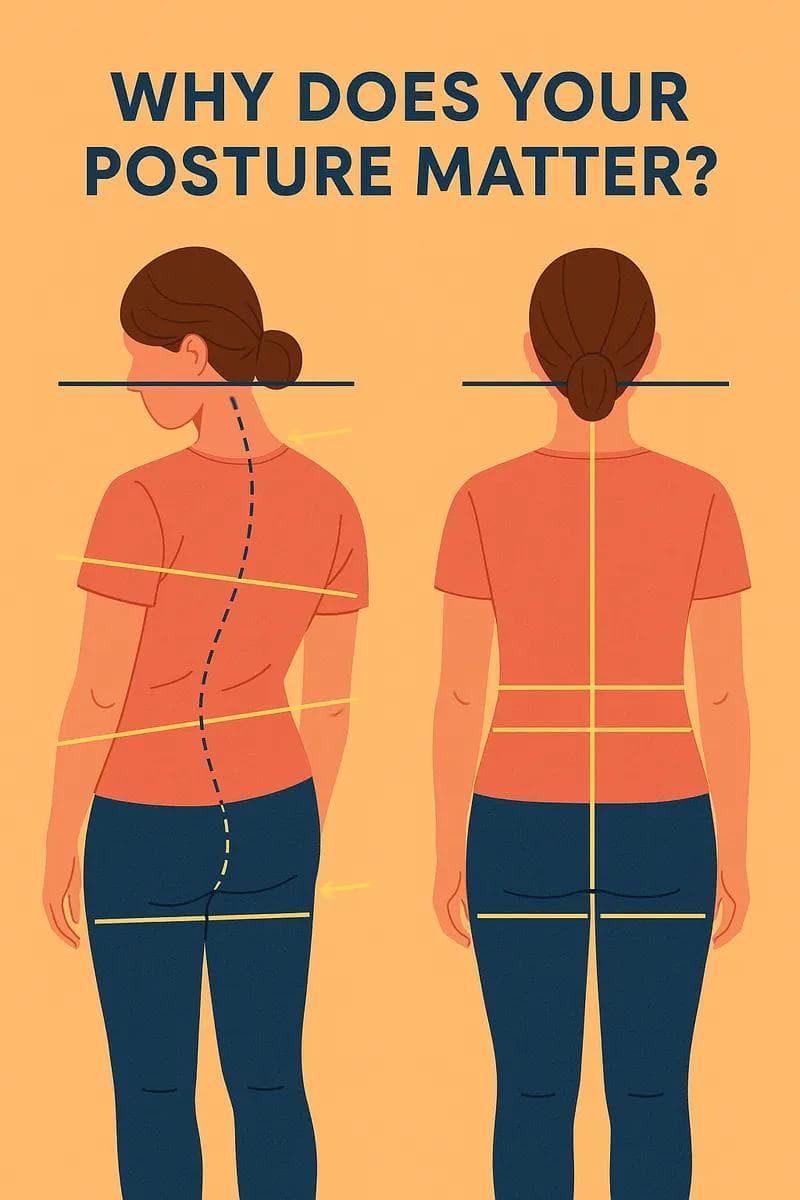
How Your Posture and the Righting Reflex Shape Your Whole Body
Your body fights to keep your eyes level — a survival instinct called the righting reflex. When the upper neck is misaligned, that reflex can pull your whole posture out of balance.
Read more
How Blair Upper Cervical Care Supports Your Autonomic Nervous System
The upper neck sits beside the brainstem, where your autonomic nervous system lives. See how gentle Blair upper cervical care may help your body shift out of constant fight-or-flight.
Read more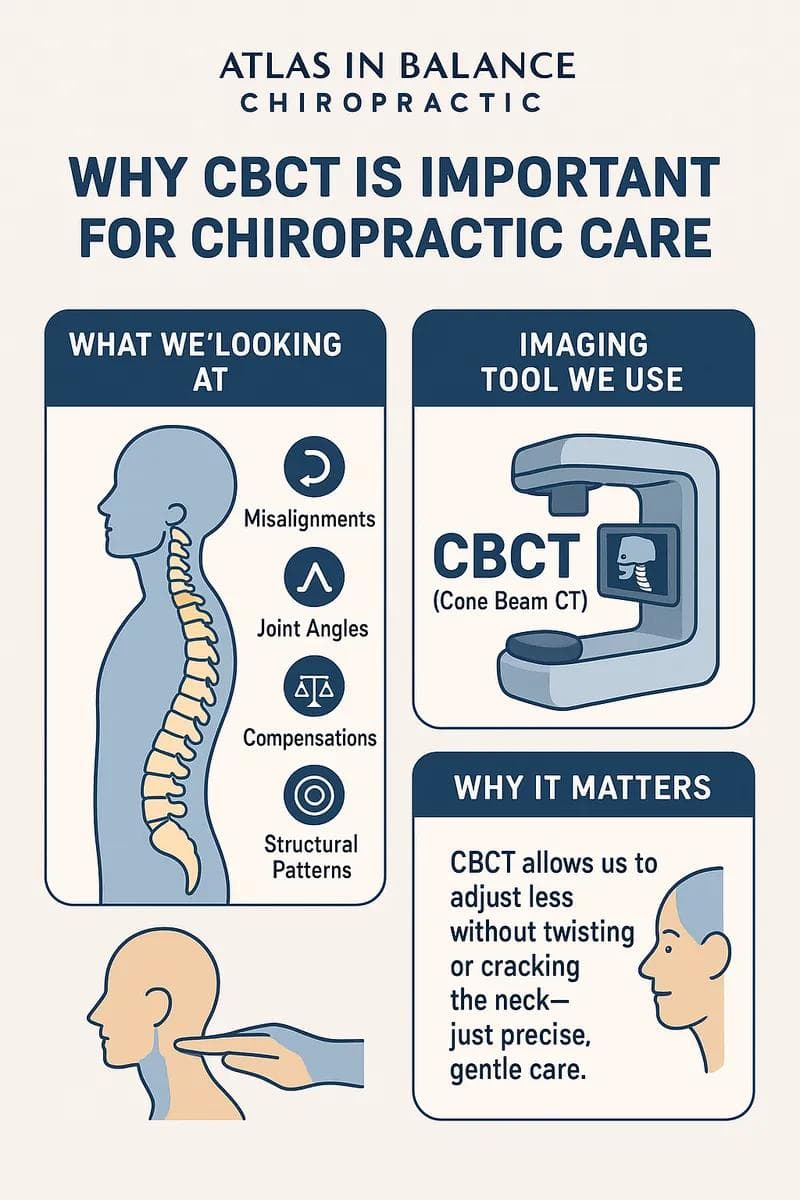
Precision in Practice: Why Blair Upper Cervical Imaging Looks at the Entire Neck
Blair upper cervical imaging maps your neck in 3D so each adjustment fits your exact anatomy. Here's why precise imaging is the foundation of gentle, effective care.
Read more
New patients welcome
Ready to feel your best?
Book your visit, and we'll help you take the first step toward gentle, precise upper cervical care in Oceanside.