Menstrual Cramp Relief in Oceanside, CA
Menstrual cramps in Oceanside can feel like a deep ache low in the belly, pain that wraps around into your low back, or a heavy pull down the front of your thighs, and for some women they mean losing a day or two every month. Heating pads and pain relievers help, but they don't always cover it. At Atlas in Balance, Dr. Caitlin Walker looks at how your low back and pelvis are moving, since tension and imbalance there may add to the pain you feel during your period.
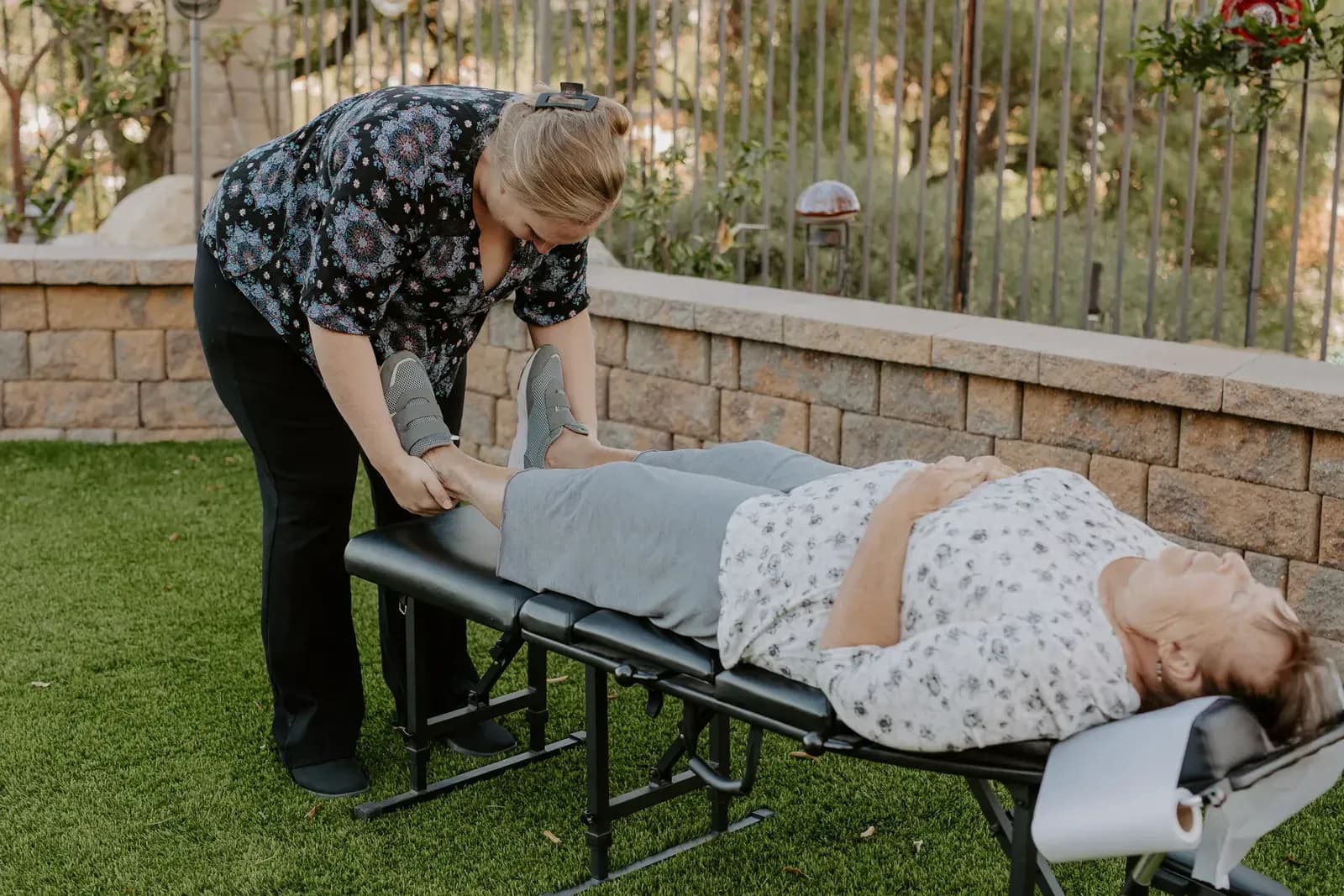
Look at the whole picture
Period pain starts in the uterus, but the low back and pelvis share its nerve supply, so how they move can change how much you feel.
What's really happening
Why cramps reach your low back
Common menstrual cramps, called primary dysmenorrhea, come from the uterus contracting as it sheds its lining, driven by chemicals called prostaglandins. The uterus shares nerve pathways with the low back and pelvis, which is why cramp pain so often spreads into the low back, hips, and thighs. When the joints of the low back and pelvis are stiff or off-balance and the surrounding muscles are already guarded, that spreading pain may feel worse.
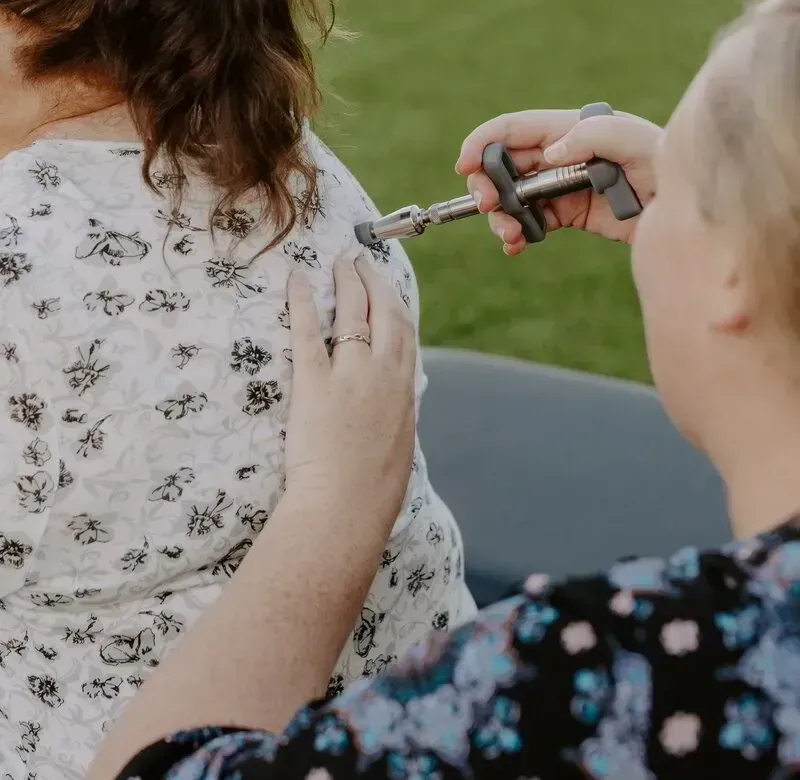
Gentle by design
Care for the low back and pelvis
Care for menstrual cramps focuses on how your low back, pelvis, and the top of your spine are moving, using low-force techniques rather than forceful twisting. Some women notice their cramps feel less intense or that the low back pain eases. Research on chiropractic care for period pain is limited and mixed, so we'll be honest about what to expect and suggest tracking your cycles so you can judge for yourself whether care is helping.
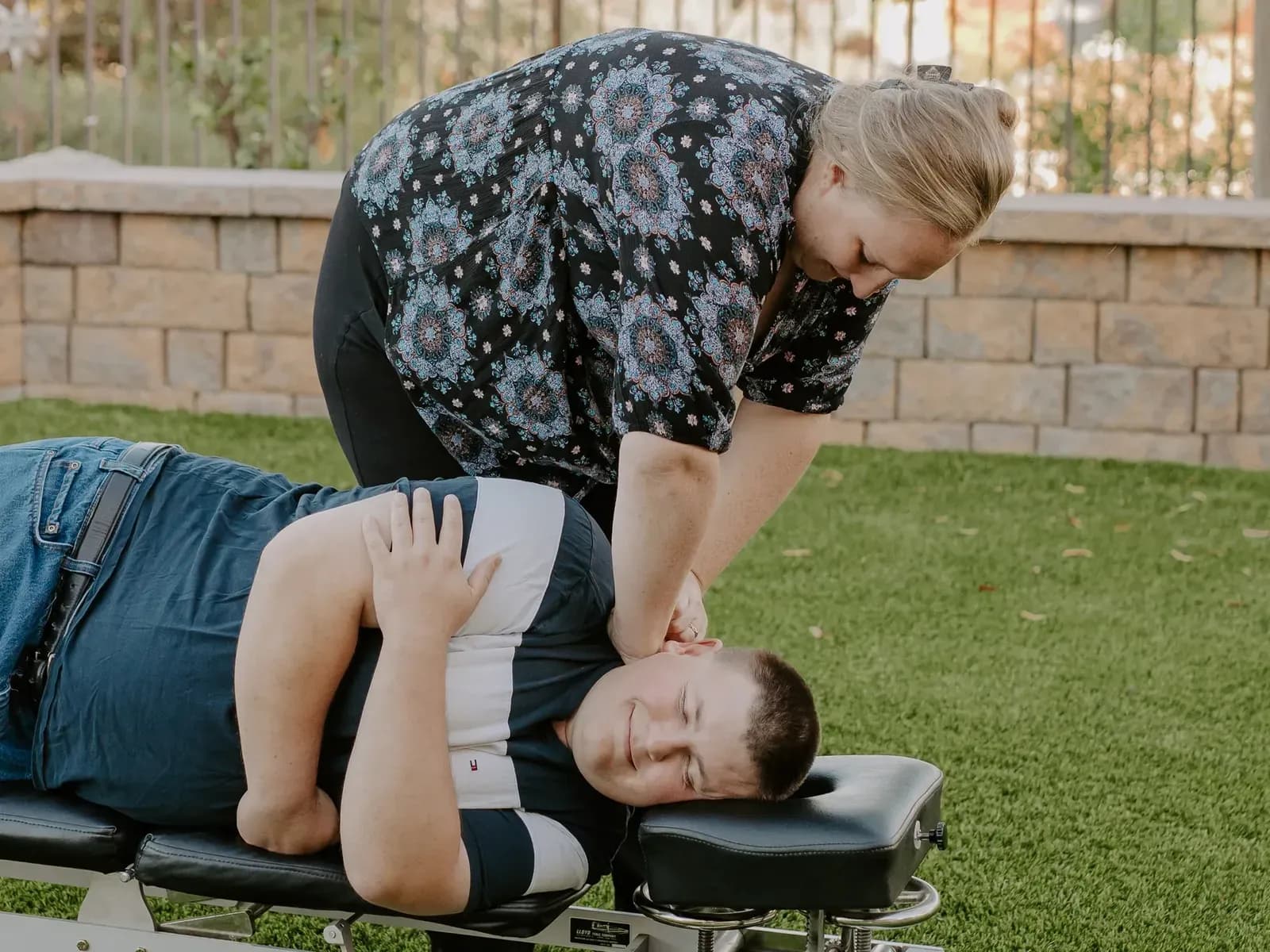
Your first visit
What we check for menstrual cramps
Before recommending any care, Dr. Walker wants to understand your cycle and rule out signs that point to something other than common cramps. If anything in your history suggests a condition like endometriosis or fibroids, we'll recommend you see your gynecologist first, or alongside care with us.
- When pain starts in your cycle, how long it lasts, and where you feel it: low belly, low back, hips, or thighs
- How heavy your periods are, and whether the pain has changed over time
- Low back and pelvic motion, posture, and leg-length balance
- Tension in the muscles of the low back, hips, and pelvis
- What you've already tried, from heat and exercise to pain relievers or hormonal birth control
- Your history, including pregnancies, past injuries, and any diagnoses from your doctor

Safety first
When to see a medical doctor first for period pain
Most menstrual cramps are common and not dangerous, but some patterns point to conditions that need a gynecologist's care. See your doctor before starting chiropractic care if any of these apply, and go to an emergency room for sudden, severe pelvic pain or pain with fever or fainting.
- Sudden, severe pelvic or abdominal pain, especially on one side, or pain with fever, fainting, or vomiting
- Pelvic pain or unusual bleeding when you could be pregnant
- Periods so heavy you soak through a pad or tampon every hour, or pass large clots
- Cramps that started, or got much worse, after years of easier periods
- Pain between periods, during sex, or with bowel movements or urination
- Cramps that pain relievers don't touch, or that keep you home from work or school every month
Our approach
Care that starts at the top of your spine
Many stubborn symptoms trace back to the top two bones of your neck, where your spine meets your skull. Dr. Caitlin Walker uses the Blair upper cervical technique, guided by CBCT imaging, to find and gently correct misalignments there, and she assesses the whole cervical spine rather than those two bones alone. No twisting, no cracking, just a precise, low-force correction matched to your anatomy.
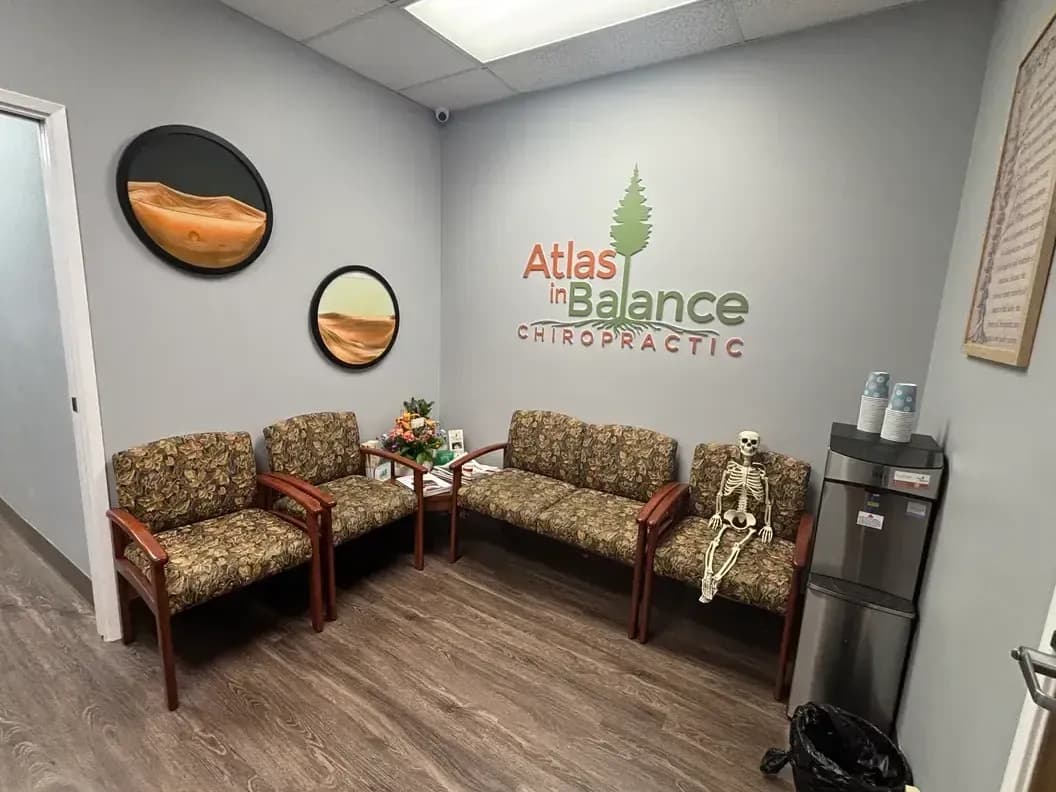
What your first visit looks like
Your first visit is about understanding, not rushing to adjust. You'll leave knowing what we found, what we recommend, and why, explained in plain language.
- A conversation about your health history and goals
- A thorough neurological and orthopedic exam
- CBCT imaging when it's indicated, so care is based on your real anatomy
- A clear, personalized care plan
Your journey to better health starts here
- 1.
Before your visit
Book your appointment and complete our intake forms so we understand your health history and goals.
- 2.
Your first visit
A thorough neurological and orthopedic exam of your neck with objective testing that measures your range of motion, proprioception, and sensorimotor control, plus a thermography scan, posture analysis, and CBCT imaging to map your care plan.
- 3.
Your care plan
Adjustments tailored to your specific needs, with gentle, precise corrections built around you, plus our massage chairs to help you relax before and after.
- 4.
Ongoing support
Consistent care that helps your body maintain progress and sustain long-term health, with the massage chairs open to you at every visit.

See it in action
Real relief, in their words
“I recently visited Atlas In Balance Chiropractic and I am so impressed with the service I received. From the moment I walked in, the staff was welcoming and professional, making me feel comfortable right away.”

Your chiropractor
Dr. Caitlin Walker, DC
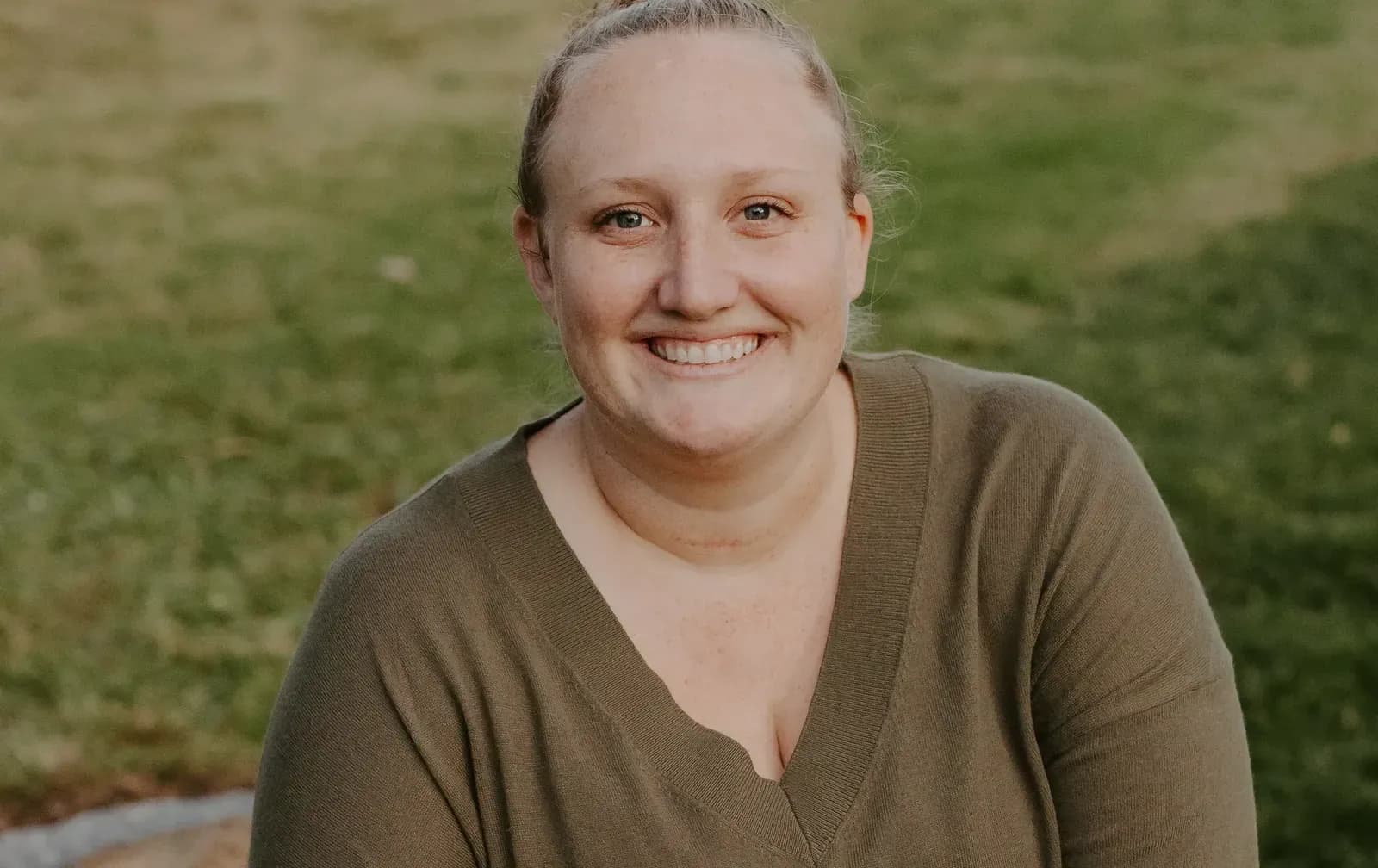
Doctor of Chiropractic and Oceanside native, specializing in Blair Upper Cervical Chiropractic with CBCT-guided precision. Certified Athletic Trainer and AVCA-certified Animal Chiropractor.
Meet Dr. WalkerGood to know
Frequently asked questions
- Can a chiropractor help with menstrual cramps?
- It may help some women, mainly with the low back and pelvic pain that often comes with cramps. The research is limited and mixed, and chiropractic care doesn't change the hormonal causes of period pain. Your exam helps us judge whether care is likely to be useful for you.
- Why do period cramps hurt my lower back?
- The uterus and the low back share nerve pathways, so pain from uterine contractions is often felt in the low back, hips, and thighs. Stiffness or imbalance in the low back and pelvis may make that spreading pain feel worse.
- When should I see a gynecologist instead?
- If your cramps are severe, getting worse over time, come with very heavy bleeding, or happen between periods or during sex, see a gynecologist. Those can be signs of endometriosis, fibroids, or other conditions that need medical care.
- Should I schedule my visit around my period?
- You can come in at any point in your cycle. Some women like to start care a week or so before their period so they can see whether that cycle feels different.
- Can I keep taking pain relievers or birth control?
- Yes. Keep following your doctor's advice on medication. Chiropractic care is meant to work alongside it, not replace it.
- Is the adjustment gentle?
- Yes. Dr. Walker uses low-force techniques for the low back and pelvis, with no forceful twisting, and works to your comfort, especially if you're sore.
- Do you also help with migraines around my period?
- Many women notice their migraines cluster around their period. Our migraine relief page explains how we approach migraines, and you can raise both at the same consultation.
New here?
General questions
- Is upper cervical chiropractic different from a regular adjustment?
- Yes. Upper cervical care starts at the top two bones of the spine, the atlas (C1) and axis (C2), using precise, low-force corrections guided by imaging. It isn't limited to those two bones, though: Dr. Walker examines and cares for the whole cervical spine, since the rest of your neck affects how well a correction holds. There's no twisting, cracking, or popping, and every adjustment is tailored to your exact anatomy.
- Do adjustments hurt?
- No. Blair corrections use a light, specific contact, so most people feel gentle pressure and nothing more. Many patients are surprised by how calm the experience is, especially if traditional adjusting has made them nervous before.
- What happens at my first visit?
- Your first visit includes a conversation about your health history, a thorough neurological and orthopedic exam, and CBCT imaging when it's indicated. Dr. Walker then explains what she found and recommends a plan in plain language, with no pressure and no rush.
Learn more
Related articles

How Blair Upper Cervical Care Supports Your Autonomic Nervous System
The upper neck sits beside the brainstem, where your autonomic nervous system lives. See how gentle Blair upper cervical care may help your body shift out of constant fight-or-flight.
Read more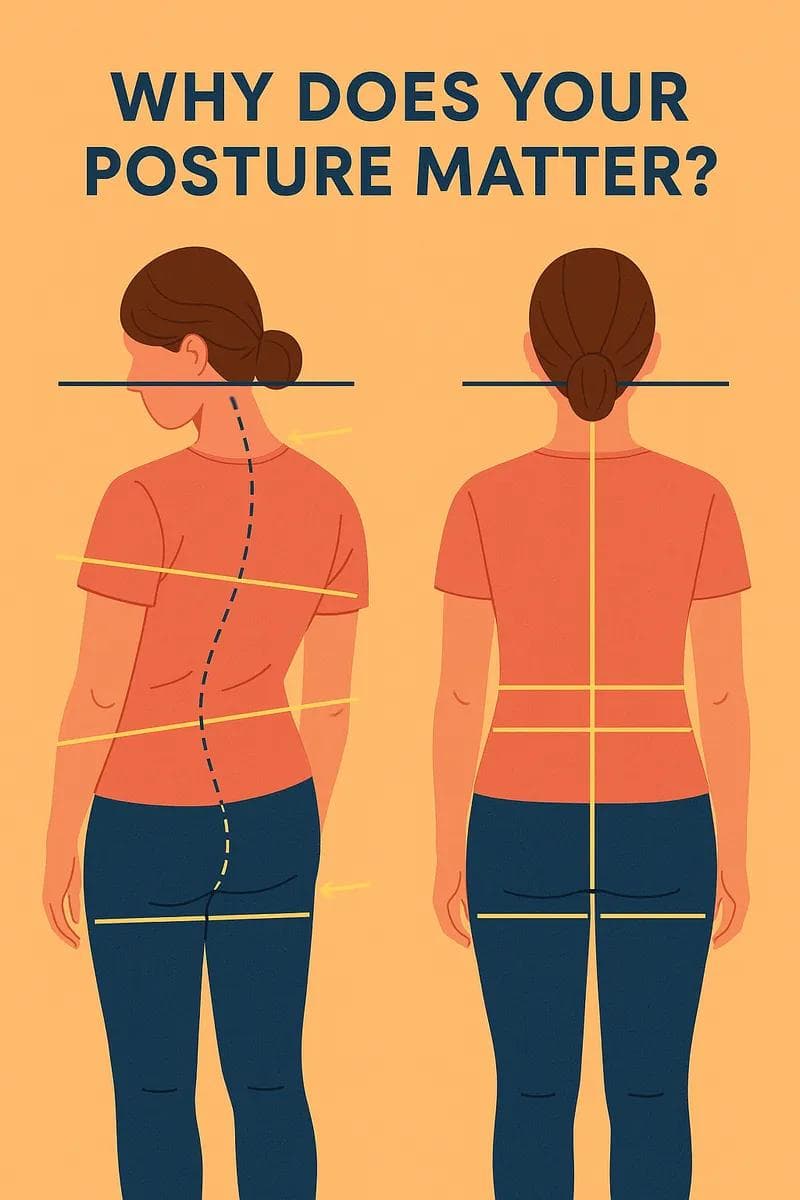
How Your Posture and the Righting Reflex Shape Your Whole Body
Your body fights to keep your eyes level — a survival instinct called the righting reflex. When the upper neck is misaligned, that reflex can pull your whole posture out of balance.
Read more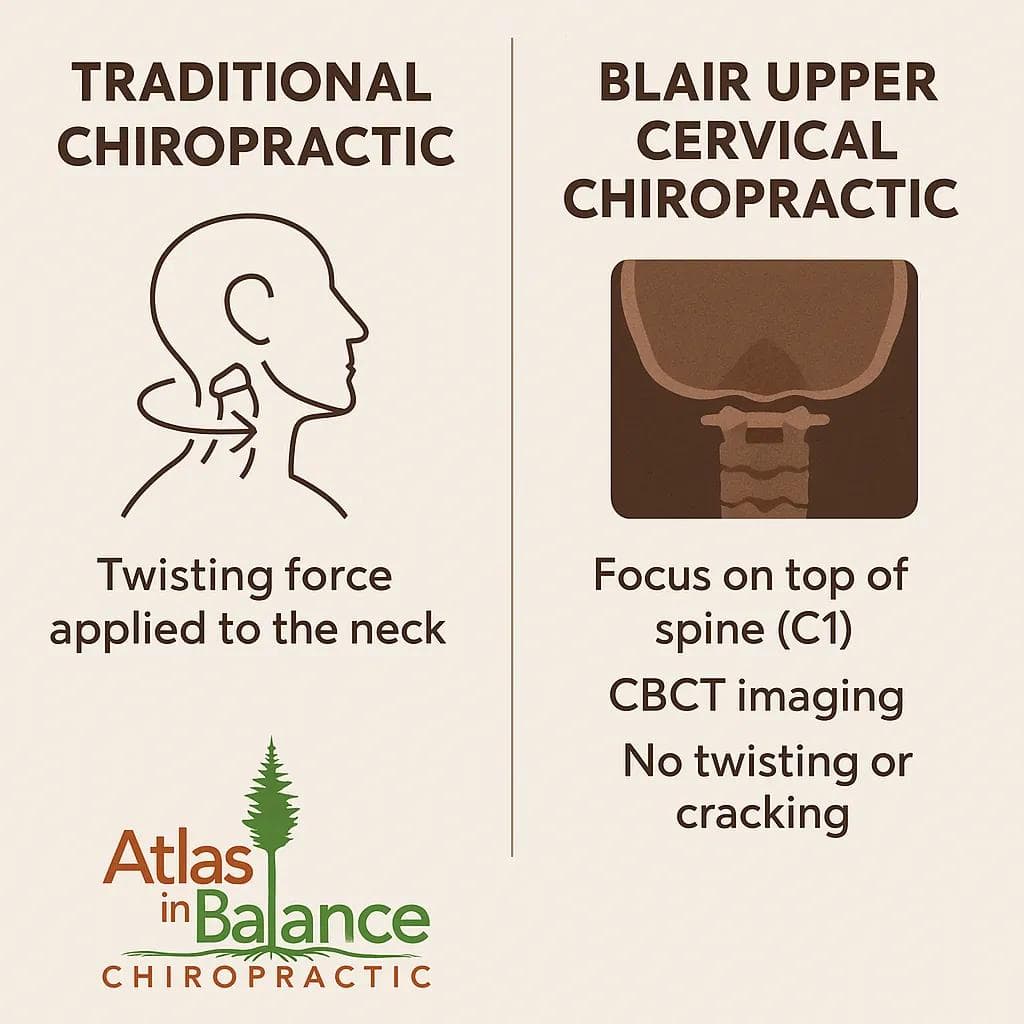
What Is Blair Upper Cervical Chiropractic—and How Is It Different from Traditional Chiropractic?
Blair upper cervical chiropractic corrects the top of the spine gently and precisely — no twisting or cracking. Here's how it differs from traditional adjusting, and why that matters.
Read more
New patients welcome
Ready to feel your best?
Book your visit, and we'll help you take the first step toward gentle, precise upper cervical care in Oceanside.